Dal and Rice Pairing Guide: Moong, Toor, and Masoor Dal with Basmati Rice
Pairing Moong, Toor, and Masoor dal with the right Basmati rice creates a comforting, nutritionally complete meal. Mild Moong and silky Masoor pair best with light, fragrant aged white Basmati, while earthy Toor holds up well to both white and nutty brown Basmati.
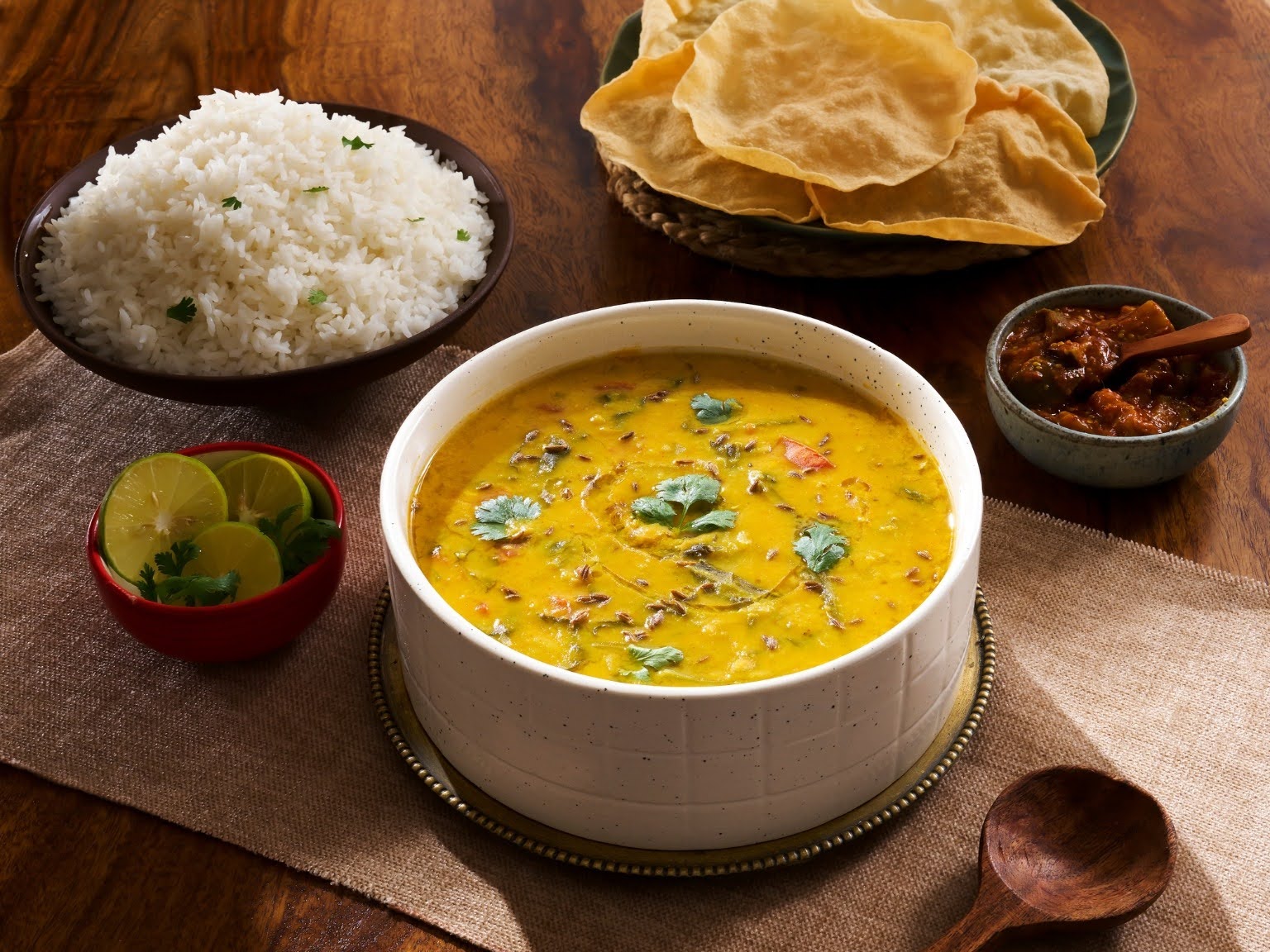
The smell of cumin crackling in hot ghee, a pot of lentils softening on the back burner, a mound of fluffy rice waiting alongside. For millions of homes, that is what dinner smells like.
Dal chawal is the plate people come home to. Yet not every dal wants the same partner, and getting the dal and rice pairing right is what turns a simple meal into a deeply comforting one.
Consider this your friendly guide to matching three everyday dals with the rice that suits them best.
Dal Chawal, the Everyday Plate
Before the pairings, it is worth remembering why this humble plate has such a hold on so many kitchens.
A Plate That Tastes Like Home
Dal chawal is lentils and rice served together, and it has anchored Indian kitchens for generations. It is humble, endlessly adaptable, and quietly complete, the kind of meal that tastes like home no matter which region you grew up in.
Nutrition and Comfort in One Bowl
Part of the appeal is nutrition. Lentils bring protein and fiber, rice brings comforting carbohydrates, and together they round out a satisfying plate that keeps you full for hours. The other part is pure comfort: a warm, soupy dal poured over long grains that drink it up, finished with a spoonful of tempered ghee.
The Magic of the Tadka
The magic often lives in that final flourish. A tadka of cumin, garlic, and dried chili sizzled in ghee and poured over the top sends up a fragrant hiss and lifts even the plainest dal into something you cannot stop eating.
Moong, Toor, and Masoor: Three Dals, Three Personalities
Before you pick a pairing, it helps to know each dal by feel. This at-a-glance table sums up the Moong dal vs Toor dal vs Masoor dal question, and the sections below go deeper.
| Dal | Texture | Flavor | Best rice pairing |
|---|---|---|---|
| Moong Dal | Soft, creamy | Mild, gently sweet | Aged white Basmati |
| Toor Dal | Thick, hearty | Earthy and full | White or brown Basmati |
| Masoor Dal | Silky, smooth | Mild, lightly peppery | Aged white Basmati |
Moong Dal, the Gentle One
Soft, quick-cooking split Moong turns creamy without any soaking and is famously easy to digest, which is why it is the classic base for a soothing khichdi, and the first dal many babies and recovering appetites are fed. Its mild, faintly sweet flavor pairs beautifully with plain, aromatic Basmati that lets the dal shine rather than compete with it.
Toor Dal, the Hearty One
Thick, earthy split pigeon peas carry more body and a fuller, nuttier flavor, and they are rich in fiber, protein, and folate. Toor rewards a longer, slower simmer until the lentils collapse into a velvety pot, the backbone of dishes like a South Indian sambar. Because it stands up to bolder grains, toor is lovely over a nuttier brown grain as well as white.
Masoor Dal, the Quick One
Silky split red lentils cook down smooth in about 15 minutes and land somewhere between creamy and gently peppery. Fast and forgiving, masoor is the weeknight hero, often ready before the rice has finished steaming, which makes it the dal you reach for on the busiest evenings.
Building the Bowl
To build the bowl, keep the proportions loose. Ladle a generous pour of dal over a mound of fluffy aged Basmati, then finish with that tempering of ghee, cumin, and garlic poured over the top. A squeeze of lemon and a scatter of fresh cilantro brighten the whole plate. Want the simplest possible start? Cook a one-pot khichdi, where Moong dal and rice simmer together into soft, soothing comfort with almost no effort.
Dinner on Instinct
The best rice for dal is rarely complicated. Mild Moong and silky Masoor love a bowl of plain, aromatic white Basmati that stays out of their way, while hearty Toor is happy with white or a nuttier brown grain that matches its weight. Once you know each dal by its texture and flavor, the pairing almost chooses itself, and dinner comes together on instinct.
Keep all three dals and a good Basmati on the shelf and weeknight dinner takes care of itself. Royal® makes each of them, so when you are ready to set up your own dal and rice corner, the full dals range and a bag of fragrant Basmati are all the everyday staples you need.
Frequently Asked Questions
What is the healthiest dal to eat with rice?
All three are nutritious. Moong is the lightest and easiest to digest, toor brings folate and heartiness, and masoor is quick and rich in protein and fiber. Variety across the week is the healthiest habit of all.
Can you cook dal and rice together?
Yes, and khichdi is the classic example. Moong dal and rice simmer in one pot into a soft, soothing porridge. It is the simplest, coziest way to enjoy dal chawal.
Is dal and rice a complete protein?
Together they are. Lentils and rice supply complementary amino acids, so a plate of dal chawal delivers a complete protein, which is one reason it has nourished families for so long.
What is a good ratio of dal to rice?
A comfortable starting point is roughly equal parts cooked dal and cooked rice, then adjusted to taste. Many people like a soupier dal poured generously over a smaller mound of Basmati, so let your appetite set the balance.
Does dal take longer to cook than Basmati rice?
It often does. Basmati rice cooks in around 15 minutes, and a quick lentil like Masoor keeps pace, while heartier Toor dal simmers longer. Starting the dal first usually lets both finish at the same time.