Is Basmati Rice Healthy? Nutrition, Benefits & What to Know
Basmati rice is a healthy, naturally gluten-free carbohydrate that fits well into a balanced diet when served in sensible portions alongside protein and fiber-rich vegetables. Whole-grain brown and parboiled Sella varieties offer extra nutrients, fiber, and a lower glycemic index.
There is a common concern that tends to come up at the dinner table. You love rice; it has fed your family for generations, and yet somewhere along the way you started wondering whether it still belongs on a healthy plate.
It is a fair question, and one that deserves a clear, balanced answer rather than an oversimplified explanation. Rice is not a villain, and it is not a miracle food either. Where it lands depends on the grain you choose and the company you give it on the plate.
So let us look at what Basmati rice actually offers, and what is worth keeping in mind before you serve it.
The Short Answer on Basmati Rice and Health
Yes, Basmati rice can be part of a healthy, balanced diet. It is a naturally gluten-free grain that gives you steady carbohydrate energy. How nourishing the meal turns out depends far more on your portion, what you serve alongside, and which variety you pick than on the rice by itself.
The key point is balance. A sensible scoop of Basmati next to protein, vegetables, and a good dal is a very different plate than a heaping mound of rice on its own.
What a Serving of Basmati Rice Offers
Before diving into benefits, it helps to know what is actually in the bowl. Basmati is a simple, wholesome grain, and its nutrition is easy to understand.
A Naturally Gluten-Free Carbohydrate
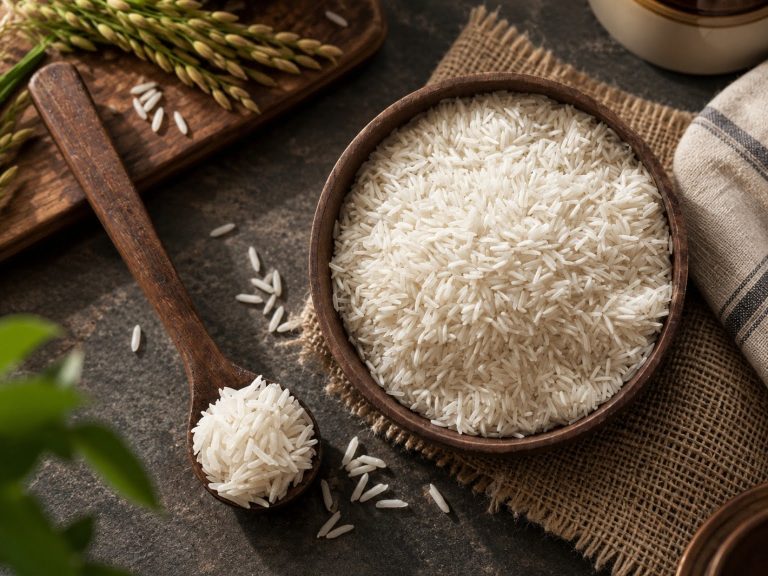
Basmati rice is naturally gluten-free, which makes it a dependable staple for anyone avoiding gluten. Its main role on the plate is energy, since it is primarily a carbohydrate, low in fat, and free of cholesterol, which is exactly why it sits so comfortably at the center of everyday meals.
White and Whole-Grain, Side by Side
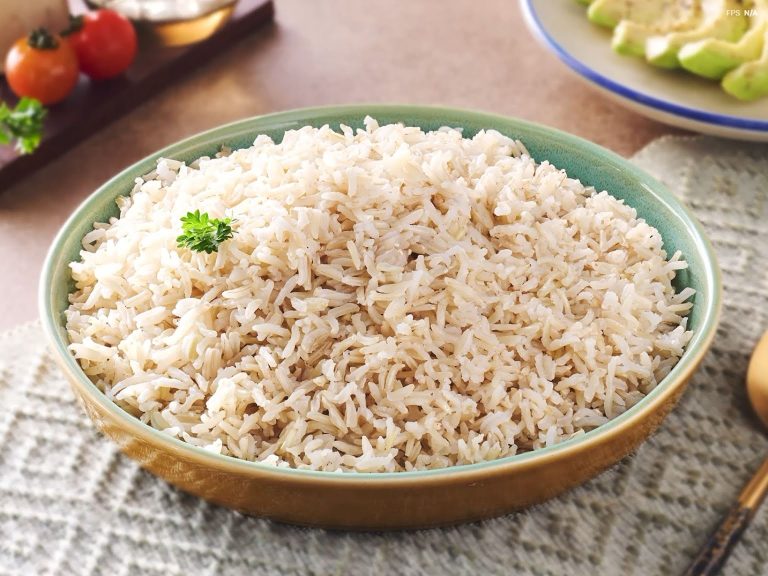
The bigger nutritional difference is not the brand on the bag but the milling. White Basmati has the bran and germ polished away for a light, fluffy grain, while a whole-grain brown Basmati keeps the germ and bran layers intact, which is what makes it the more fiber-rich, nutty choice.
| Factor | White Basmati | Brown Basmati |
|---|---|---|
| Bran and germ | Polished away | Left intact |
| Fiber | Lower | Higher |
| Texture | Light and fluffy | Nutty, with a gentle chew |
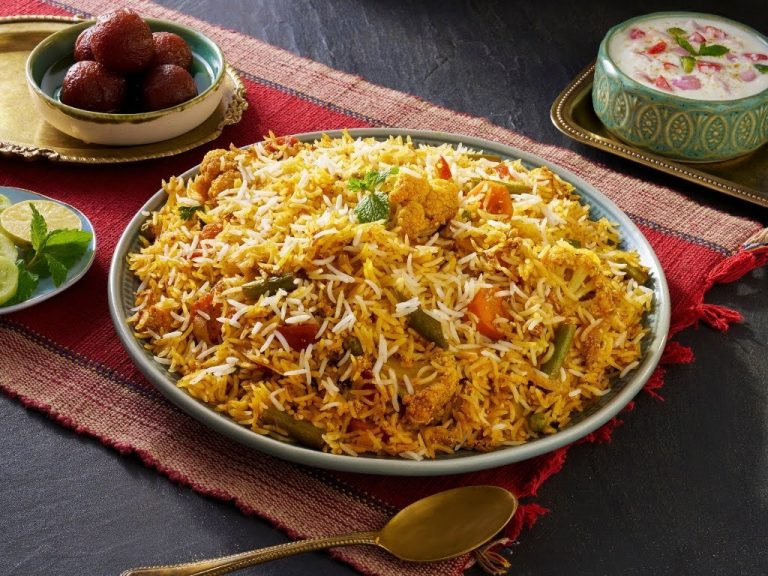
| Best for | Biryani, pulao, everyday sides | Grain bowls, everyday whole-grain meals |
The Benefits Worth Knowing
Basmati rice offers several practical benefits that make it a great addition to everyday meals. Here are some of its key advantages:
Light, Fragrant, and Easy to Enjoy
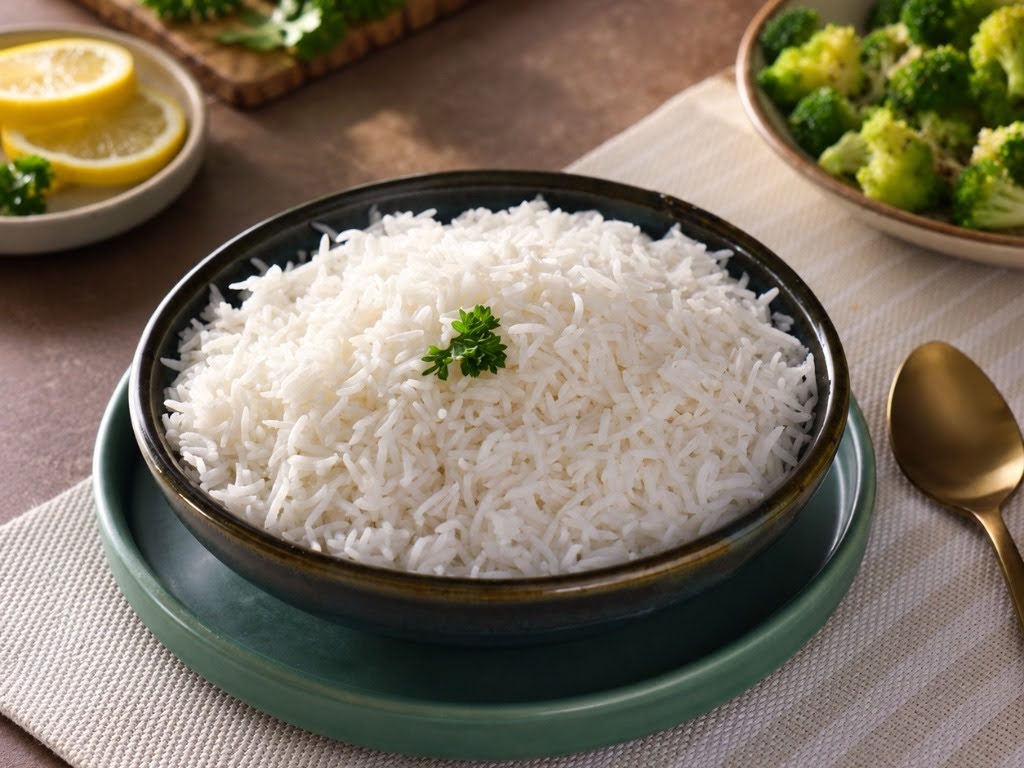
Good Basmati cooks up loose and separate, with that warm, nutty aroma rising the second you lift the lid. An everyday aged white Basmati is aged in controlled silos until the grains turn non-sticky and fragrant, so a satisfying portion feels light on the plate rather than stodgy.
More Fiber From the Whole Grain
If you are after more fiber, the whole grain is the simplest route. Brown Basmati holds on to its bran and germ for a genuinely nutritious, nuttier bowl. On a rushed evening, a whole-grain rice and quinoa blend brings that same wholesome idea to a pouch that heats in about 90 seconds.
A Lower-GI Option When It Matters
For anyone mindful of how quickly a meal affects blood sugar, the parboiled grains are worth knowing. A parboiled Sella Basmati carries a lower glycemic index thanks to its special steaming and drying process, so the carbohydrates release at a gentler pace.
Its golden parboiled counterpart shares that lower-GI character while holding its shape beautifully under layers of biryani spice, which is why both are the grains to reach for when this matters most.
What to Know Before You Serve It
The rice is only part of the story. A few simple habits do more for a healthy plate than any single grain ever could.
- Keep the portion sensible: A modest scoop leaves room for protein and vegetables to do their work.
- Pair it for balance: Protein, vegetables, and a fiber-rich dal slow the meal down and keep you fuller for longer.
- Match the grain to the goal: White for a light, fragrant side, brown when you want more fiber on the plate.
- Cool, then reheat: Some cooks find that letting rice cool before reheating suits them, and it wastes nothing.
If organic is simply how you prefer to stock the pantry, a certified organic Basmati is grown to USDA Organic standards and fits the same balanced plate.
One honest note before you rework any meals: this article is food education, not medical advice. Nutritional needs differ from person to person, so anyone managing a specific health condition should speak with a qualified healthcare provider for guidance suited to them.
A Grain That Earns Its Place
So, is Basmati rice healthy? As a naturally gluten-free grain served in sensible portions alongside protein and vegetables, it belongs on a balanced table with room to spare. The whole-grain and parboiled varieties simply give you more ways to tailor it to what your body and your meal needs.
Think of Basmati as a steady, fragrant foundation rather than a food to fear. When you are ready to build that balanced plate, find the Basmati variety that suits your table, from an everyday aged grain to a fiber-rich whole grain, and let its gentle aroma do the rest.
Frequently Asked Questions
Is Basmati rice healthy for daily eating?
Yes, in balanced portions. Basmati is a naturally gluten-free carbohydrate, and served alongside protein, vegetables, and dal, it fits comfortably into everyday meals. Portion and pairing matter more than the rice alone.
Is white or brown Basmati rice healthier?
Brown Basmati has more fiber because it keeps its bran and germ, while white Basmati is lighter and cooks faster. Neither is unhealthy. The better pick depends on whether you want more whole grain or a lighter side.
Does Basmati rice have gluten?
No. All plain rice, including Basmati, is naturally gluten-free. That makes it a reliable staple for anyone avoiding gluten, as long as it is not mixed with gluten-containing seasonings or sauces.
Which Basmati rice is best for blood sugar?
Parboiled grains like Creamy Sella and Golden Sella carry a lower glycemic index, so they suit anyone watching how quickly a meal affects blood sugar. Pairing any rice with protein and vegetables also helps.
Is Basmati rice fattening?
Not on its own. Basmati is low in fat and moderate in calories, so weight comes down to overall portions and the full plate rather than the rice by itself. A sensible scoop leaves room for everything else.