Is Brown Basmati Rice Good for Diabetics? Glycemic Index Guide
Brown Basmati rice sits in the low-to-medium glycemic index range, digesting more slowly than white rice thanks to its fiber-rich bran and germ. Paired with protein, vegetables, and sensible portions, it provides a steady, blood-sugar-friendly carbohydrate base.
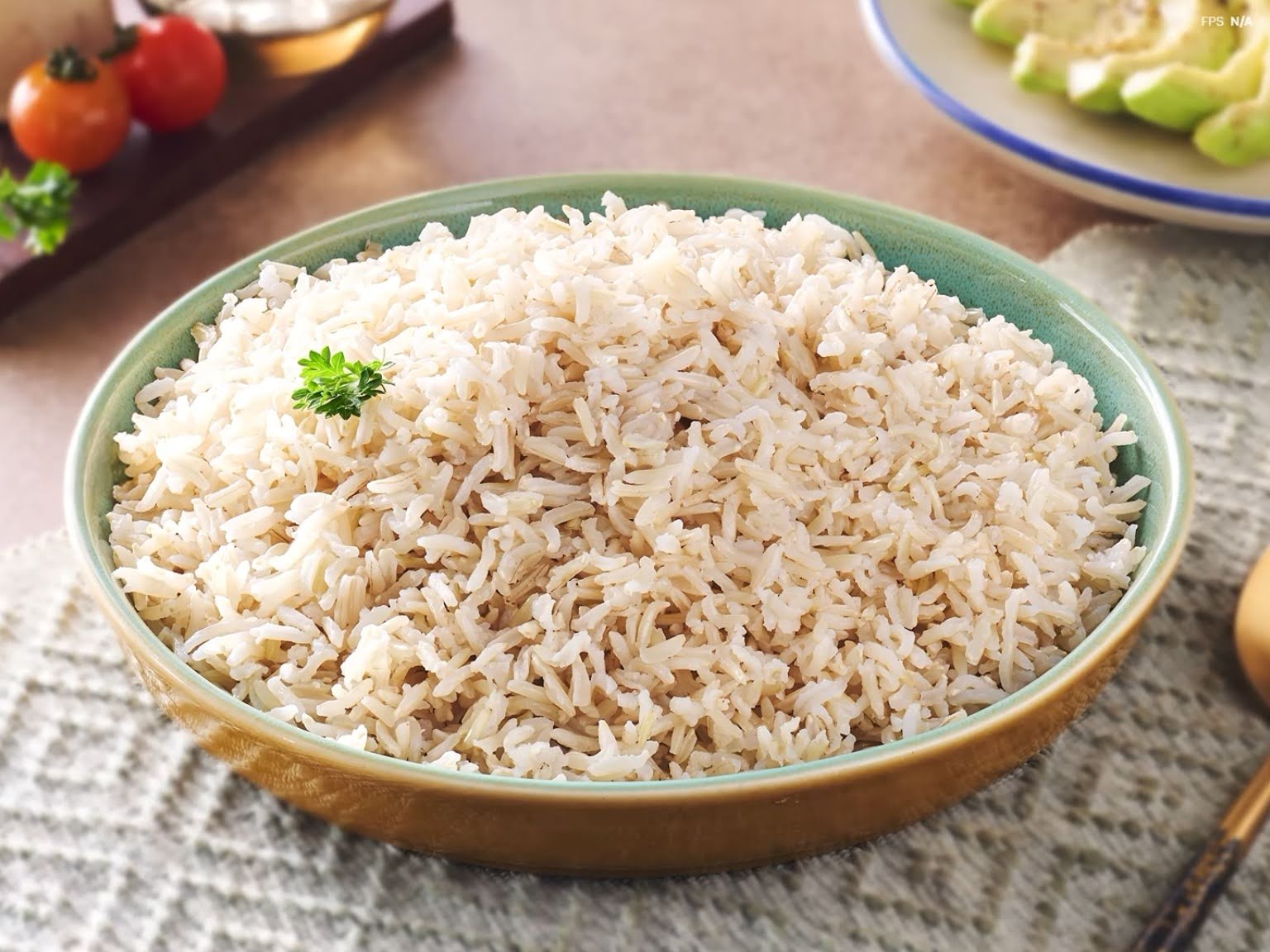
When choosing between white and brown Basmati rice, you may wonder which option is better for managing blood sugar levels
It is a fair question, and most of the answer lives inside a single number: the glycemic index. Once you know where brown Basmati rice lands on the glycemic index, the choice feels far less like guesswork and far more like a plan.
Let’s explore the key differences and how they may impact blood sugar levels, along with practical tips for preparing each variety.
What the Glycemic Index Actually Measures
Before comparing grains, it helps to know what the number on the scale is really telling you.
Fast Fuel vs. Slow Fuel
The glycemic index is a score from 0 to 100 that ranks a carbohydrate by how quickly and how much it raises blood sugar after you eat it. The lower the score, the slower and gentler the rise.
Think of it as fast fuel versus slow fuel. A high-scoring food burns bright and fast, sending glucose into the bloodstream in a rush, while a lower-scoring food releases it at a steadier pace and keeps energy on a more even keel.
The Three GI Bands
Nutrition scientists sort foods into three simple bands:
- Low GI: 55 or under
- Medium GI: 56 to 69
- High GI: 70 and above
The key point is speed. Anyone watching blood sugar tends to look for a lower GI rice rather than a fast-digesting one, because a gentler climb is easier for the body to manage.
Where Brown Basmati Rice Falls on the Scale
Brown Basmati generally sits lower than white, but the reasons are worth understanding. Three things shape where it lands.
Why the Bran Makes the Difference
White rice generally sits in the high range, while brown rice tends to land lower, in the low-to-medium range. Estimates vary with the grain, the harvest, and the cooking method, so it helps to think in range rather than fixating on one figure.
The reason comes down to what stays on the grain. When rice is milled white, the bran and germ are stripped away, leaving mostly starch. Whole grain brown Basmati rice keeps its bran and germ intact, which is what gives it that toasty aroma, a light chew, and a nuttier flavor than its polished cousin.
Fiber, the Quiet Hero
Fiber is the quiet hero here. It slows digestion, so the sugars in the grain reach your bloodstream at a more even pace. That is the whole reason brown rice for diabetics comes up so often in conversation: more fiber, a slower climb.
How Cooking Changes the Number
Cooking matters too. Rice that is boiled to mush digests faster than rice cooked just to tender. A neat trick is to cook a batch, chill it, then reheat it, which can nudge the glycemic response down a little- a small habit with a helpful payoff.
A White-Grain, Low-GI Alternative
If you love the clean look and feel of white grains, Royal® also makes parboiled options worth knowing about. The parboiled Sella Basmati that carries that same low-GI positioning and its golden parboiled counterpart are the two Chef’s Secret™ lines built for exactly that preference.
Practical Ways to Keep Portions Steady
How you build the plate matters as much as which grain you scoop, and either grain can fit here: even aged white Basmati rice works nicely with mindful portions and the right companions. A few gentle habits go a long way.
Habits That Steady the Plate
- Start with a modest serving, roughly half a cup cooked, and adjust to how you feel.
- Pair rice with protein and vegetables so the meal digests more slowly and keeps you full.
- Add fiber on the side, such as dal, beans, or a crisp, colorful salad.
- Let cooked rice cool, then reheat it, which can soften the glycemic response.
- Slow down at the table, since eating unhurriedly helps your body keep pace.
A Whole-Grain Base for Busy Days
For busy days, keeping a whole-grain base within easy reach makes the healthy choice the easy one. A microwavable brown rice and quinoa blend heats in about 90 seconds and drops straight into a bowl with roasted vegetables and a protein of choice.
One honest note before you rework your meals: this article is food education, not medical advice. Blood sugar responses differ from person to person, so anyone managing diabetes or prediabetes should talk with a healthcare provider for guidance made for their body.
A Steadier Plate, One Grain at a Time
Brown Basmati rice is a warm, nutty, fiber-rich grain that generally sits lower on the glycemic index than white rice, thanks to the bran and germ it holds onto. It will not flatten a spike on its own, yet paired with protein, vegetables, and a sensible portion, it slots neatly into a plate built for steadier, longer-lasting energy.
Think of it as one gentle, satisfying choice among many, not a rule to obey. If you would like that whole-grain fragrance filling your kitchen on a weeknight, keep a bag of whole-grain brown Basmati in the pantry and cook it alongside the sides you already love.
Frequently Asked Questions
Is brown Basmati rice safe for diabetics?
For most people, brown Basmati fits well into a balanced, portion-aware plate. It is a whole grain with more fiber than white rice, which supports a gentler rise. Always confirm your own targets with a healthcare provider.
Does brown rice raise blood sugar less than white rice?
It usually does. Brown rice keeps its bran and fiber, which slows digestion and softens the climb, while white rice digests faster and tends to rise higher and quicker.
How much brown rice can a diabetic eat per meal?
A common starting point is about half a cup cooked, paired with protein and vegetables. The right amount is personal, so use your own readings and your provider’s advice to fine-tune it.
What is the glycemic index of brown Basmati rice?
Brown Basmati generally lands in the low-to-medium range, below most white rice. Its intact bran and fiber slow digestion, though the exact figure shifts with how long you cook it and what you serve alongside.
Does cooling brown Basmati rice change how it affects blood sugar?
It can help a little. Cooking rice and then chilling it forms some resistant starch, which the body digests more slowly. Reheated the next day, a rice bowl may sit slightly gentler on blood sugar than a freshly cooked one.