Basmati Rice Water Ratio: The Complete Guide for Every Cooking Method
For perfect Basmati rice, use 1.5–1.75 cups of water per cup of rice on the stovetop, 1.25–1.5 cups in a rice cooker, and 1–1.25 cups in a pressure cooker. Brown and parboiled Sella rice require about 2 cups.
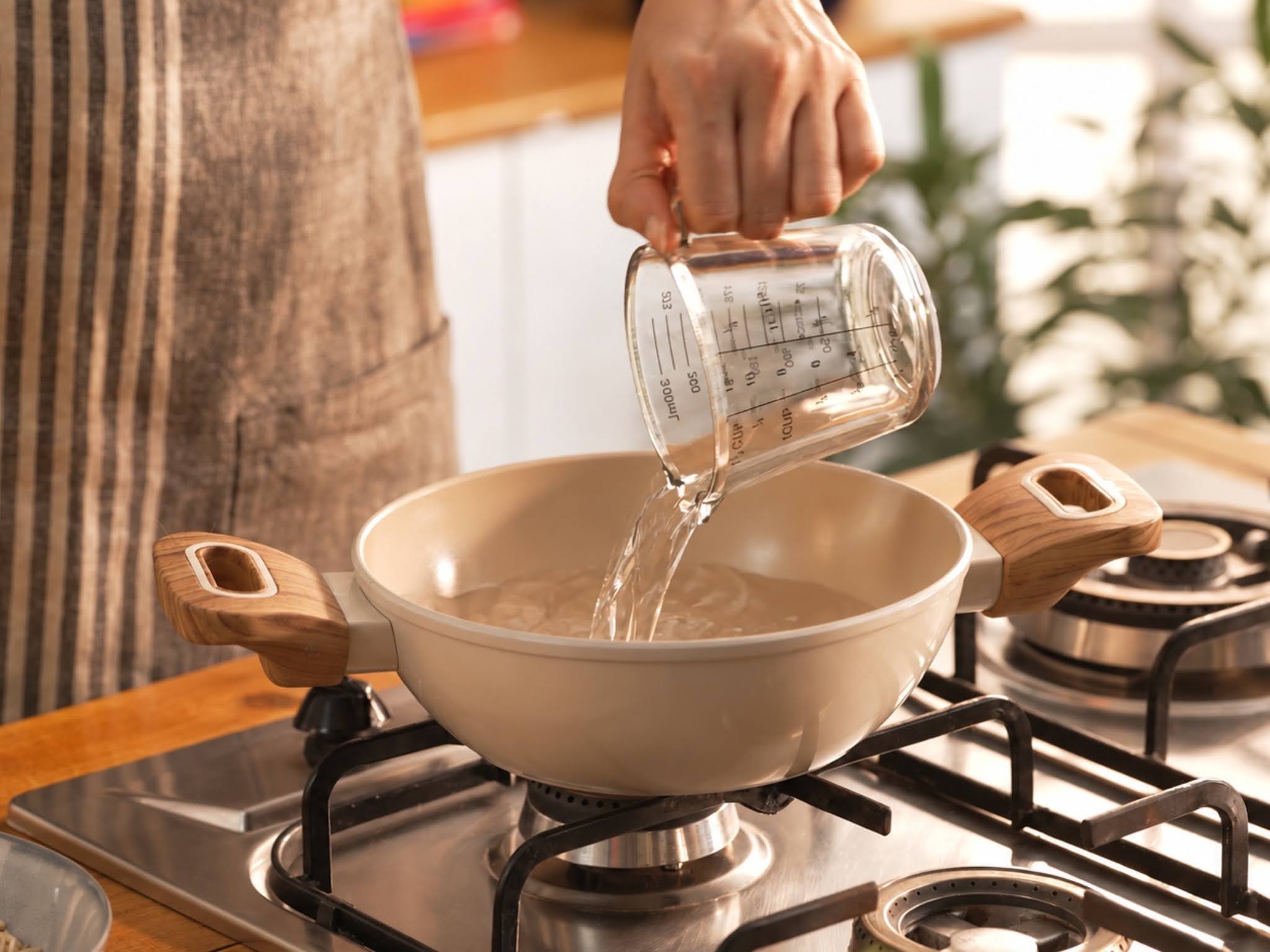
Two cooks, the same bag of Basmati, two completely different pots. One is light and separate, each grain standing on its own. The other is soft and clumped at the bottom. The difference almost always comes down to a single number: how much water meets the rice. Get that ratio right, and everything else falls into place.
What Is the Basmati Rice Water Ratio?
The Basmati rice water ratio is the amount of water you use for each measure of dry rice. The ratio is the biggest lever you have over texture. Too much water and the grains go soft and sticky. Too little and they cook up dry, with a firm, chalky center. The right ratio depends on three things: your cooking method, whether you soaked the rice, and the grain itself.
Water Ratios by Cooking Method
Each method traps steam differently, so the ideal ratio shifts with the equipment. The numbers below are reliable starting points. Treat the timing and ratio printed on your pack as the final word, since it is matched to that exact rice.
Stovetop, the Absorption Method
On the stovetop, the rice absorbs all its water as it simmers under a lid. A common starting point for white Basmati is roughly 1.5 to 1.75 cups of water per cup of rice. For a precise, tested number, one aged white Basmati rice lists 1.75 cups of water to 1 cup of rice on its pack, simmered gently until the water is absorbed.
Rice Cooker
A rice cooker seals in more steam, so many cooks reach for a touch less water, often around 1.25 to 1.5 cups per cup of rice. Organic basmati rice cooks cleanly here, and its pack ratio gives a dependable place to begin.
Pressure Cooker and Instant Pot
A sealed pressure cooker loses almost no steam, so it needs the least water, often close to 1 to 1.25 cups per cup of rice, followed by a natural release. Start on the lower end for separate grains, then adjust to taste on your next batch. Because the pot is airtight, even a small change in water shows up in the texture, so change the ratio gradually.
How Soaking and Grain Type Change the Ratio
The method is only half the story. Two more factors quietly move the number: how long the rice is soaked, and which grain you are cooking.
Soaking
Soaked rice has already absorbed water, so it needs a little less in the pot and cooks faster. If you soak your Basmati, ease off the water slightly and start checking earlier. If you skip the soak, nudge the water up a touch to compensate.
Parboiled Sella Grains
Parboiled rice behaves differently and usually takes more water. Parboiled Sella rice takes more water, often 2 cups per cup of rice on the pack, cooked a little longer for firm, separate grains that hold up on a celebration table. A make-ahead Sella rice uses the same generous ratio and keeps its texture beautifully for big-batch cooking.
Brown Basmati
Whole grains need more water and more time. A brown Basmati rice keeps its bran layer, so it drinks up around 2 cups of water per cup of rice and simmers longer than white Basmati.
Does Rice Age Change the Ratio?
Age is the quiet variable most guides skip. As Basmati ages, it loses moisture, which firms the grain and lets it drink up a little more water without turning soft. A well-aged Basmati, held a minimum of 12 months, holds its shape comfortably at the upper end of the stovetop range. Newer, fresher rice is wetter inside and tends to do better with slightly less water. If you switch grain or brand and the texture drifts, adjust the water by a spoonful or two, and you will land it again.
Quick-Reference Ratio Chart
Here is the whole guide at a glance. Use it as a starting point, then let your pack and your own taste fine-tune the final number.
| Method or grain | Starting water ratio (per 1 cup rice) | Notes |
|---|---|---|
| Stovetop, white Basmati | 1.5 to 1.75 cups | Aged white Basmati pack lists 1.75 cups |
| Rice cooker, white Basmati | 1.25 to 1.5 cups | Sealed steam needs a little less |
| Pressure cooker or Instant Pot | 1 to 1.25 cups | Natural release; least water of all |
| Soaked Basmati | Reduce slightly | Already partly hydrated |
| Parboiled Sella | About 2 cups | Firmer grain, cooks longer |
| Brown Basmati | About 2 cups | Whole grain, longer simmer |
Getting It Right, Every Time
The Basmati rice water ratio is not one magic number; it is a small range you tune to your method, your soak, and your grain. Once you know that a sealed pot needs less water while a whole grain needs more, the guesswork disappears, and fluffy, separate rice becomes the default rather than the lucky outcome.
When in doubt, the pack is your most reliable guide, because those numbers are matched to that exact rice. Start there, note what you loved, and adjust by a splash next time.
Ready to put the ratio to work? Browse Authentic Royal’s Basmati Rice collection and match the grain to your favorite method.
Frequently Asked Questions
What is the best water ratio for Basmati rice?
The best ratio depends on the method. Stovetop white Basmati usually starts around 1.5 to 1.75 cups of water per cup of rice, a rice cooker a little less, and a pressure cooker less still. Always check your pack.
How much water do I need for 1 cup of Basmati rice?
On the stovetop, start with about 1.5 to 1.75 cups of water per cup of dry rice. Many aged Basmati packs land at 1.75 cups, so check yours.
Does soaking Basmati rice change the water ratio?
Yes. Soaked rice has already taken on water, so it needs slightly less in the pot and cooks faster. If you skip soaking, add a little more water.
Why is my Basmati rice mushy or sticky?
Usually too much water, or not rinsing off the surface starch first. Reduce the water slightly, rinse until it runs clearer, and let the rice rest before fluffing.
What water ratio does Sella parboiled Basmati need?
More than white Basmati. Parboiled Sella packs generally call for about 2 cups of water per cup of rice, cooked a little longer.
Is the water ratio different for brown Basmati?
Yes. Brown Basmati keeps its bran, so it needs more water, around 2 cups per cup of rice, plus a longer simmer than white Basmati.