What Is the Difference Between Basmati Rice and Other Long-Grain Rice?
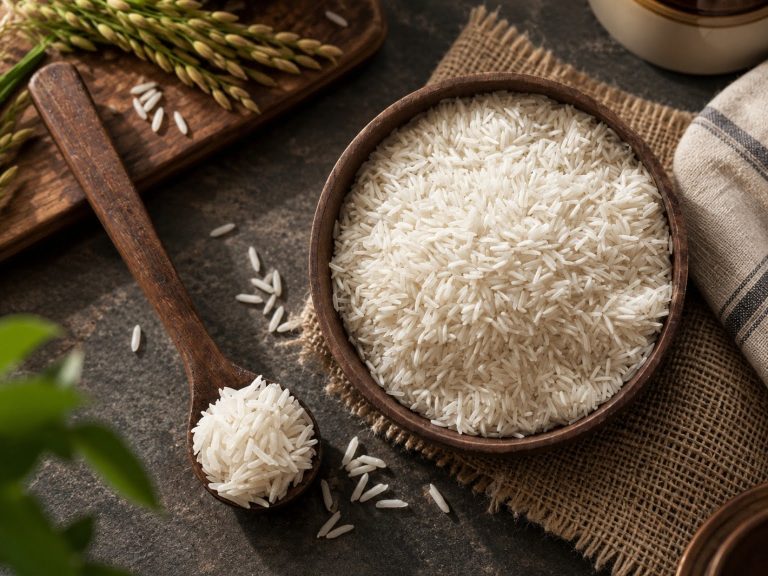
Basmati rice stands out from standard long-grain rice through its natural nutty aroma, dramatic elongation during cooking, and patient aging process, which ensures the grains stay firm, slender, and distinct rather than plumping and softening.
Line up a spoonful of Basmati next to a spoonful of ordinary long-grain white rice and the difference announces itself before you have taken a single bite. One is long, slender, and perfumed. The other is perfectly nice, and perfectly plain.
Both belong to the same broad family of long-grain rice, yet they behave like distant cousins in the pot. Understanding why comes down to a few things that happen long before the rice reaches your kitchen.
Here is what actually separates Basmati from other long-grain rice, and when each one earns a place on your stove.
What Counts as Long-Grain Rice
Long-grain rice is any rice whose grains are at least three times longer than they are wide. That single shape gives the whole family its defining habit: the grains tend to cook up drier and more separate than short or medium grains, rather than turning soft and clingy.
Basmati sits inside this family, but at its most refined end. So the real question is not whether Basmati is long-grain, but what makes it different from the everyday long-grain rice most pantries already stock.
What Sets Basmati Apart
Three key qualities distinguish Basmati rice from other varieties. Each is influenced by the grain’s natural characteristics and the care taken after harvest.
The Aroma
Basmati is naturally aromatic. The moment the lid lifts, a warm, nutty fragrance fills the room, and that scent is built into the grain rather than added to it. Standard long-grain white rice, by contrast, is mild and largely neutral, pleasant but quiet on the nose.
The Length and the Elongation
One of Basmati rice’s most distinctive qualities is how it elongates during cooking. Basmati grains are already long and slender, and they lengthen further as they cook while staying firm and separate. An aromatic long-grain grown in India stretches into those signature long, slender grains, whereas ordinary long-grain rice mostly plumps and softens instead.
The Aging
This is the quiet differentiator most people never see. Fine Basmati is premium aged in controlled silos, the way good wine or cheese rests, so the grains lose surface moisture and cook up non-sticky and distinct. Everyday long-grain rice is usually sold fresh, without that patient rest, which is part of why it cooks softer and moister.
Basmati vs. Standard Long-Grain Rice: Side by Side
When compared side by side, the differences become clear in the key characteristics that affect cooking.
| Factor | Basmati Rice | Standard Long-Grain White Rice |
|---|---|---|
| Aroma | Naturally aromatic, nutty | Mild and neutral |
| Grain when cooked | Lengthens, stays slender and separate | Plumps and softens |
| Aging | Premium aged for texture and aroma | Usually sold fresh, not aged |
| Texture | Loose and separate, non-sticky | Tender and moister |
| Origin | Grown in the Indian subcontinent | Grown widely worldwide |
| Best for | Biryani, pulao, fragrant sides | Plain sides, everyday fillers |
In summary, the difference between Basmati rice and other long-grain rice is not a matter of good versus bad. It is fragrance, elongation, and aging that turn a good grain into a special one.
Which Basmati to Reach For, and When
Once you know what sets Basmati apart, choosing among its varieties is really about the dish in front of you. Each grain has a moment where it shines.
For Everyday Meals
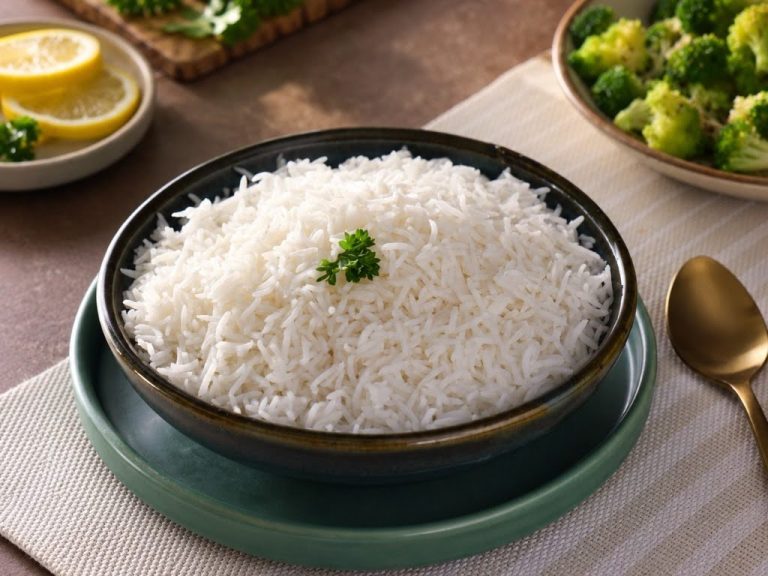
Most nights call for a dependable, fragrant plate. An everyday aged Basmati cooks up loose and separate for weeknight sides, simple pulao, and a fluffy bed under any curry, with none of the fuss.
For Feasts and Celebrations
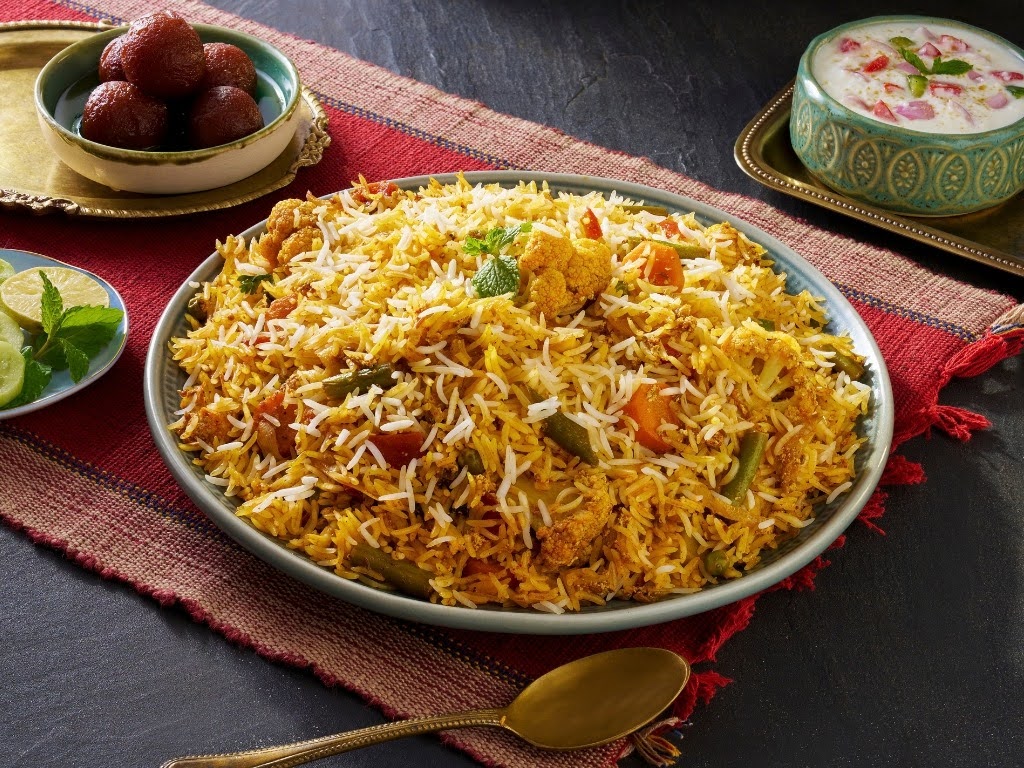
When the occasion is bigger, the grain can be too. The extra-long grain favored by professional cooks makes a mountain of biryani look as striking as it tastes, each grain standing tall, slender, and separate on the platter.
For Biryani That Holds Its Shape
Layered, slow-cooked dishes ask a lot of the rice. A parboiled grain that keeps its structure resists overcooking under all that spice and steam, so the finished biryani stays firm and separate rather than soft.
For More Whole Grain
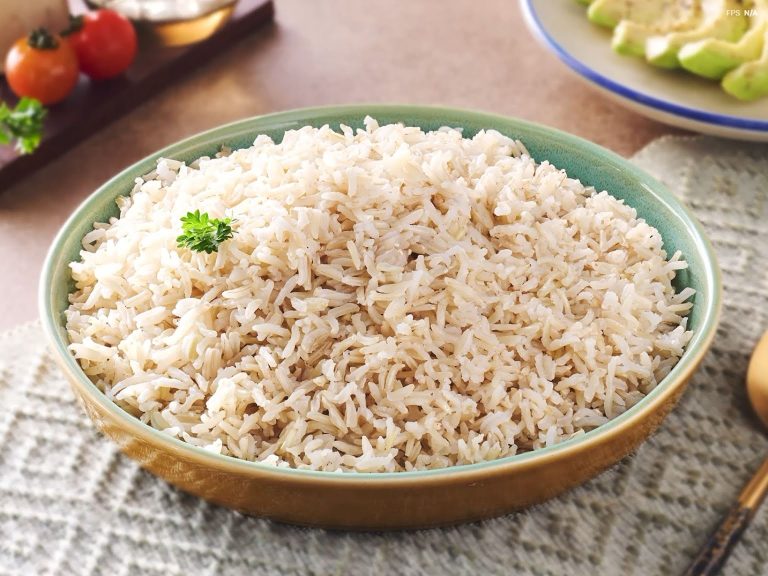
If you want the nuttier, whole-grain end of the family, the bran stays on. A whole-grain brown Basmati keeps its germ and bran layers for more fiber and a deeper, chewier bite, while still carrying that long-grain character.
The Grain That Rewards Knowing the Difference
Other long-grain rice will feed you well, and there is nothing wrong with a plain, tender bowl when that is all a meal needs. But Basmati offers something more: a fragrance that greets you at the lid, grains that lengthen and stay slender, and a texture that stays proud and separate from the first serving to the last.
Once you have tasted that difference side by side, it is hard to unlearn. When your next dish deserves the finer grain, the full Basmati range has a variety suited to everything from a quiet weeknight side to a celebration worth remembering.
Frequently Asked Questions
What is the main difference between Basmati and other long-grain rice?
Basmati is naturally aromatic, lengthens dramatically as it cooks, and is premium aged for a loose, separate texture. Most other long-grain rice is milder, plumper, and sold fresh rather than aged.
Is Basmati rice better than regular long-grain rice?
It is not better so much as different. Basmati wins on fragrance and separate, elongated grains for dishes like biryani, while plain long-grain rice is a fine, neutral base when you just need a simple side.
Why is Basmati rice more expensive than long-grain rice?
The variety, its origin in the Indian subcontinent, and the aging process all add cost. Basmati is aged in controlled silos to develop its texture and aroma, which ordinary long-grain rice usually skips.
Does Basmati rice cook differently from other long-grain rice?
Yes. Basmati cooks up drier, longer, and more separate, and many cooks rinse and briefly soak it first. Standard long-grain rice tends to cook softer and needs less coaxing to turn tender.
Can I use regular long-grain rice instead of Basmati for biryani?
You can, but the result changes. Biryani relies on Basmati’s long, separate grains and aroma to stay fluffy under the spices. Regular long-grain rice can turn softer and stickier in that layered, slow-cooked setting.