Lentils & Rice: Are They a Complete Protein?
Yes, lentils and rice combine to make a complete protein. Rice supplies methionine while lentils provide lysine, together delivering all nine essential amino acids needed for a balanced plant-based diet.
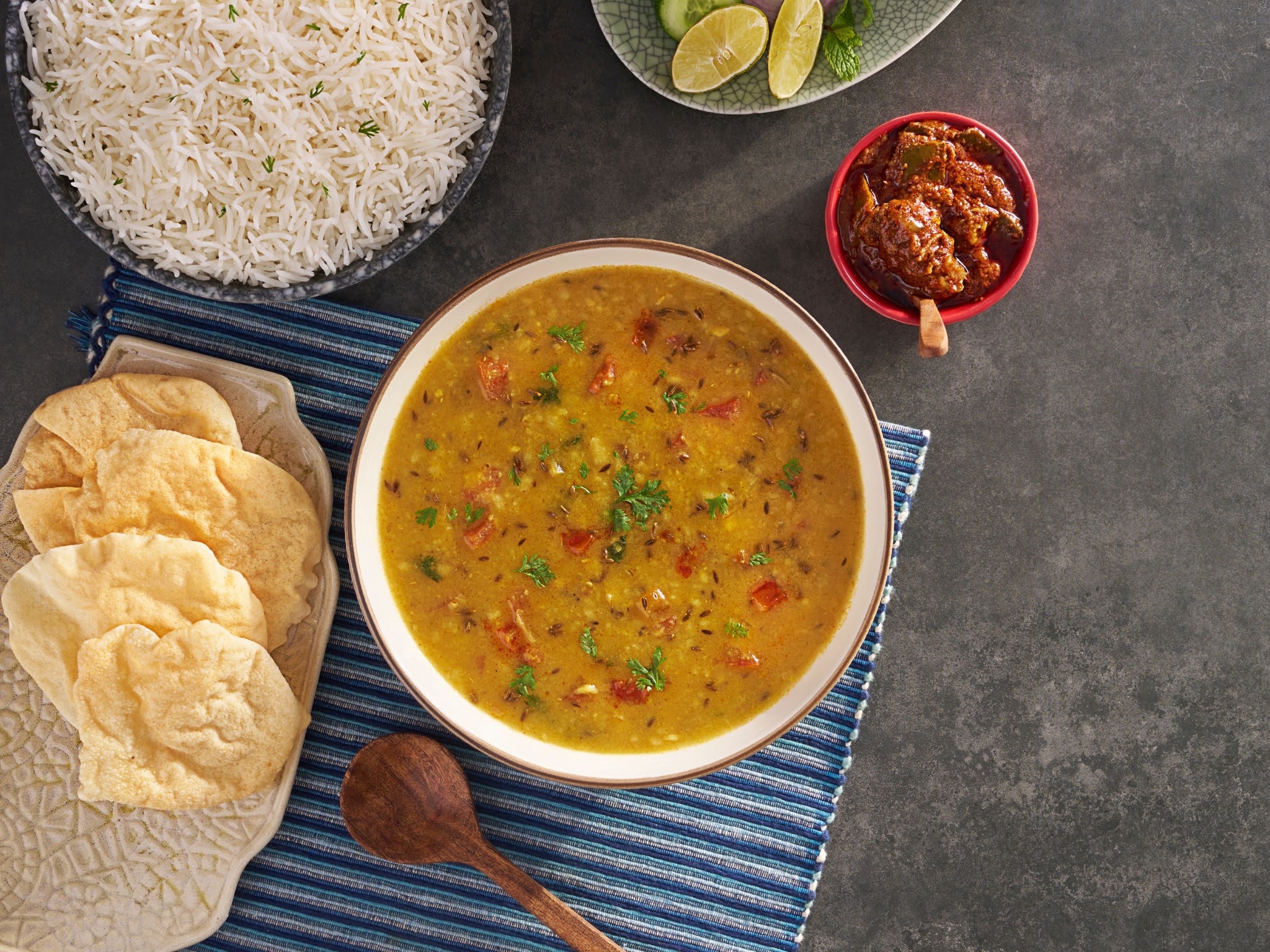
Dal and rice. Beans and rice. Two simple staples that turn up together on tables from Delhi to the Caribbean, night after night. That pairing is more than habit. Lentils and rice each carry part of what your body needs from protein, and together they round each other out. So are they really a complete protein? Mostly yes, with one useful caveat.
Are Lentils and Rice a Complete Protein?
Yes. On their own, both lentils and rice fall short of one essential amino acid, which makes each an incomplete protein. Eaten together, they cover each other’s gaps and supply all nine essential amino acids your body cannot make on its own. That combination is what nutrition science calls a complete protein, and it can stand in for meat, eggs, or dairy on a plant-based plate.
How the Pairing Works
The whole trick is in the amino acids. Proteins are built from around twenty of them, and nine are essential, meaning food has to supply them because the body cannot make them on its own. Each half of the plate covers something the other lacks.
What a Complete Protein Means
A complete protein contains all nine essential amino acids in useful amounts. Animal foods like eggs and meat manage this on their own. Most single plant foods run short on one or two, which is why plant-based eaters pair foods that complement each other, a simple idea sometimes called protein combining.
What Rice Brings
Rice is a solid source of the amino acid methionine, but it runs low on lysine. On its own, that gap keeps rice from being a complete protein, though it still delivers steady energy and a little protein in every serving, along with its familiar comforting texture.
What Lentils Bring
Lentils flip the script: they are relatively higher in lysine and lighter on methionine. A good source of plant protein, fiber, and iron, they slot in exactly where rice falls short, so the two together read as a full amino acid profile that rivals animal protein on amino acids alone.
Do You Have to Eat Them Together?
Not in the same bite, and not even the same meal. Older advice insisted vegetarians combine proteins at every sitting, but that idea has since been set aside. Your body keeps a pool of amino acids and draws on it through the day, so a lentil lunch and a rice dinner still add up. Pairing them is delicious and convenient, not a strict rule you have to police.
Building a Plate: Dal, Chawal, and Beyond
The tastiest way to put this into practice is the food people have cooked for centuries. A few combinations worth keeping in rotation:
Dal Chawal
The classic is a pot of spiced lentils spooned over warm rice. Red lentils cook quickly with no soaking and turn creamy, and they sit beautifully on fluffy Basmati rice or a medium-grain Sona Masoori rice. One bowl, a complete protein, and endless room to vary the spices.
Rice and Beans
Beyond lentils, almost any bean plays the same role. Black beans, chickpeas, or kidney beans over rice hit the same amino-acid balance, from Cuban rice and beans to a simple rajma chawal. For extra fiber, spoon them over nutty brown Basmati rice. The same principle powers healthy protein meals the world over, from Mexican rice and beans to Levantine mujaddara.
Add Vegetables and Seeds
A handful of spinach, a spoon of yogurt, or a scatter of seeds rounds the plate out further with more nutrients and texture. An organic Basmati rice keeps the base clean and simple while the toppings do the colorful work.
What Each Half Brings
At a glance, the two foods line up like this.
| Food | Rich in | Low in | Also provides |
|---|---|---|---|
| Rice | Methionine | Lysine | Energy, some protein |
| Lentils | Lysine | Methionine | Protein, fiber, iron |
| Together | All nine essential amino acids | Nothing major | A complete, plant-based protein |
A Foundation Worth Building On
So yes, lentils and rice make a complete protein, and a genuinely good one. The pairing is affordable, filling, and endlessly adaptable, which is why it anchors so many cuisines around the world. No need to overthink ratios or eat the two in the same mouthful; a rice-and-lentil habit across your week covers the essentials. For anyone leaning into vegetarian protein or simply eating less meat, it is one of the most reliable building blocks there is.
Treat it as a foundation and build outward with vegetables, spices, and whatever beans you love. Ready to stock the pantry for easy dal and chawal? Pick from the Royal® South Indian Rice collection and build your next plate of dal and rice.
Frequently Asked Questions
Are lentils and rice a complete protein?
Yes. Rice is high in methionine but low in lysine, while lentils are the reverse. Combined, they supply all nine essential amino acids, making a complete plant-based protein.
Do lentils and rice have to be eaten in the same meal?
No. Your body pools amino acids over the course of the day, so eating lentils and rice within the same day works just as well as putting them on the same plate.
Is dal chawal a good source of protein?
Yes. Dal chawal pairs protein-rich lentils with rice to form a complete protein, plus fiber from the lentils, and it anchors vegetarian plates for good reason.
What is the best rice to pair with lentils?
Any rice works, since the amino-acid balance comes from the pairing itself. Fluffy Basmati and medium-grain Sona Masoori are popular picks, and brown rice adds extra fiber.
Can vegans get complete protein from rice and lentils?
Yes. Rice and lentils together are a reliable complete protein for vegans and vegetarians, and beans or chickpeas with rice do exactly the same job.
Are lentils better than meat for protein?
Lentils are a lean, plant-based source of protein and fiber with no cholesterol. Whether they suit you better than meat depends on your whole diet, so treat them as one good option among several.