Best Rice for Biryani Kits: How to Pair Royal Biryani Kits for Perfect Results
Royal Biryani Kits streamline traditional biryani by pairing measured long-grain Basmati rice with authentic spice blends. Choose the Hyderabadi Biryani Kit for a bold, spice-forward, dum-cooked style, or the Lucknowi Biryani Kit for a milder, fragrant, Awadhi-style profile. Single-serve Dum Biryani Rice Cups are also available for quick, single-portion meals.
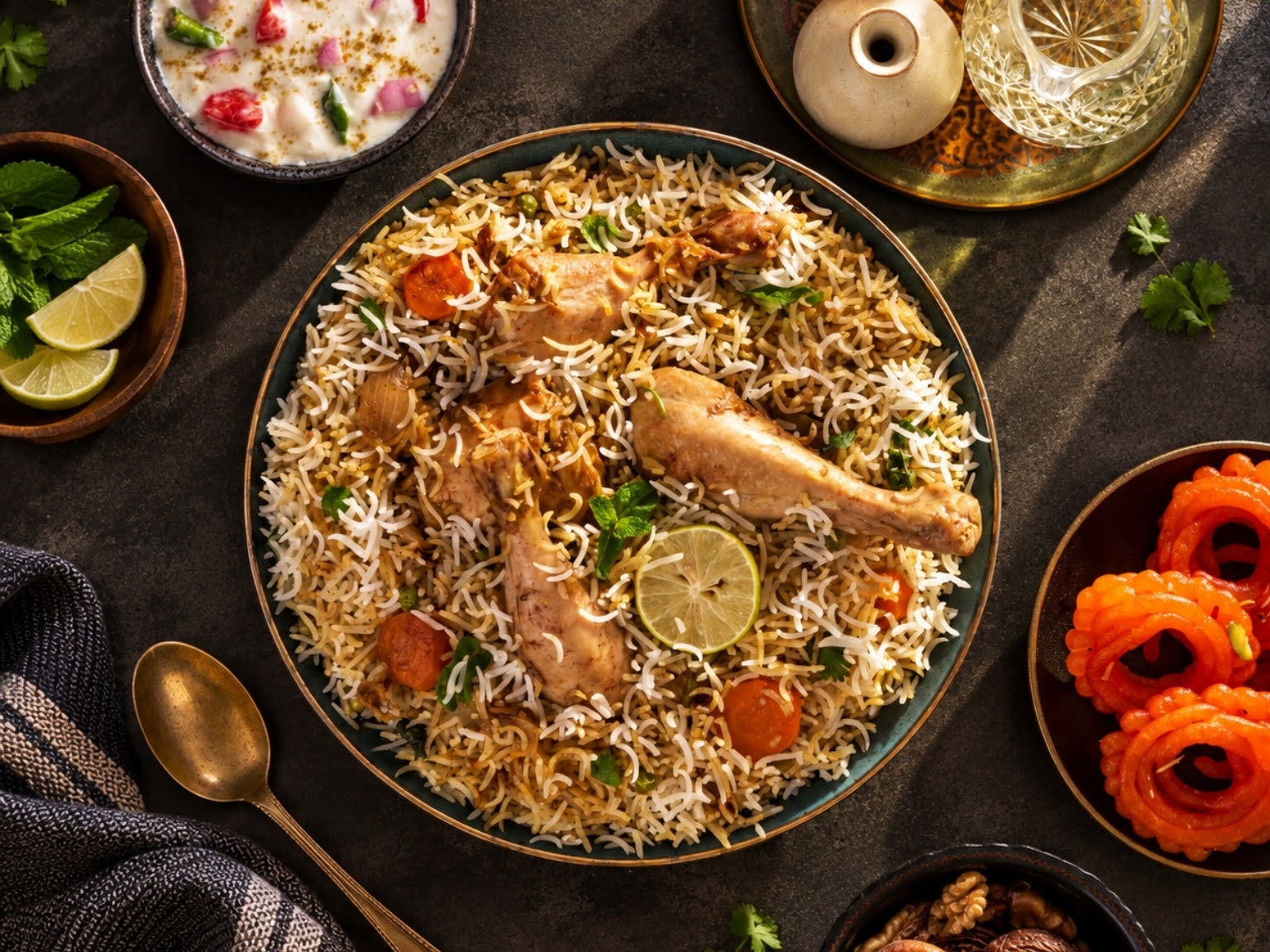
Biryani has a reputation for being an all-day project: soaking, frying, layering, and a spice list as long as your arm. A good kit quietly dismantles that reputation.
With the rice and spices already measured and matched, a biryani kit turns a daunting recipe into a weeknight-friendly one. The trick is knowing which kit fits your table and how to coax that restaurant-quality texture out of it once you get cooking.
Here is how to choose the right Royal biryani kit and get perfect results every time.
What’s Inside a Royal Biryani Kit
A Royal® Biryani Kit is built for one-pot convenience, pairing the grain and the seasoning so you do not have to source a long spice list. Each kit brings together aromatic, long-grain Basmati rice and a measured biryani spice blend with whole spices, which means the rice question is already answered for you. From there, you simply add your protein or vegetables and follow the pack.
Long-grain Basmati is the grain of choice here for a reason: it holds its shape through layering and steaming, cooking up long, separate, and aromatic grains, which is exactly what a good biryani needs.
Hyderabadi vs. Lucknowi Biryani Kit: What’s the Difference?
Both kits deliver an authentic biryani, but they come from two distinct culinary traditions, and the difference is easy to taste. Choosing between them is really about how bold you want the plate to be.
Hyderabadi: Bold, Spice-Forward, Dum-Cooked
The Hyderabadi Biryani Kit is the fiery, full-flavored one. Rooted in the dum-cooked tradition, it layers marinated meat and rice and slow-steams them under a sealed lid, so the grains drink up a deep, spice-forward warmth. Reach for it when you want a biryani that announces itself, rich and aromatic from the first bite.
Lucknowi: Milder, Aromatic, Awadhi-Style
The Lucknowi Biryani Kit takes the gentler, Awadhi path. It trades heat for fragrance, with a softer, more perfumed profile built on delicate spicing. This is the one for tables that prefer elegant over intense, or for mixed crowds where not everyone loves a heavy hand with the chili.
How to Get Restaurant-Quality Texture From Your Kit
The kit gives you the ingredients. These few habits give you the texture that makes people ask where you ordered from.
Rinse the Rice
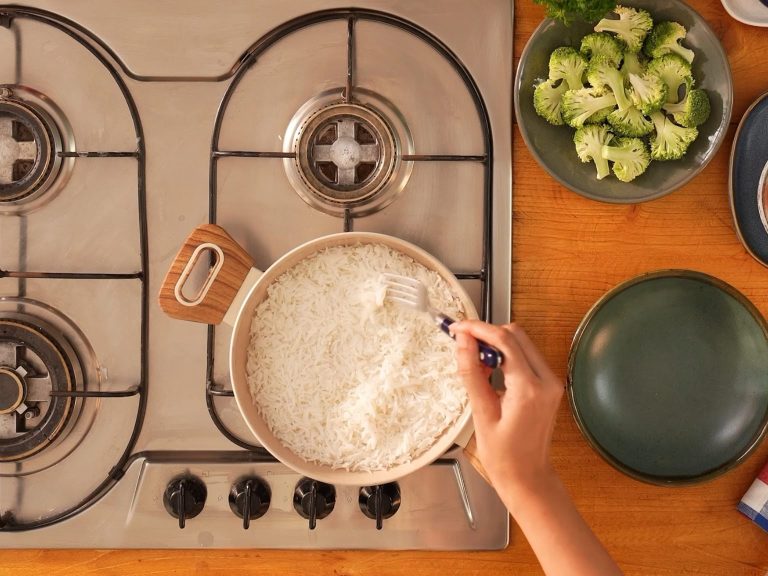
It is tempting to skip rinsing when the rice arrives measured and ready, but a quick rinse under cool water washes away loose surface starch, and that is what keeps the cooked grains separate rather than gummy. Thirty seconds here pays off in every forkful.
Respect the Water Ratio and the Rest
Biryani lives and dies by moisture. Follow the water ratio on the pack rather than eyeballing it, since Basmati wants precision to cook up fluffy instead of wet. When the cooking is done, let the pot rest, sealed, for a few minutes so the steam finishes the grains gently. That sealed, low-heat finish is called dum, and it is the difference-maker.
Follow a Full Recipe When You Want Extra Guidance
If you like a little hand-holding, a complete walkthrough helps. A step-by-step Hyderabadi chicken biryani shows exactly how to marinate, layer, and dum come together for the bold, spiced style.
Prefer the gentler option? A fragrant Lucknowi chicken biryani walks through the same steps for the milder, Awadhi profile, so you can match the method to whichever kit is in your pantry.
Short on Time? Try the Dum Biryani Rice Cup
Some days you want biryani flavor without cooking a whole pot, and that is exactly what the single-serve format is for. A Dum Biryani Rice Cup brings that same spiced, aromatic character to a desk lunch or a solo dinner in minutes, no layering required. Keep a couple in the pantry for the days a full kit is more than you need.
From Kit to Table, Done Right
A biryani kit takes the hardest parts of the dish off your plate: the rice is chosen, the spices are measured, and the method is spelled out. Your one real decision is which style suits the occasion: bold, spice-forward Hyderabadi; milder, aromatic Lucknowi; or the single-serve Dum Biryani Rice Cup when you are short on time. From there, a good rinse, the right water ratio, and a short rest carry you to a separate-grained result.
Pick Hyderabadi for a bold, spice-forward centerpiece or Lucknowi for a milder, fragrant one, and either way you are minutes of prep away from an authentic plate.
When you are ready to cook, a ready-to-go biryani kit is the fastest honest route to restaurant-style biryani at home.
Frequently Asked Questions
What’s the difference between Hyderabadi and Lucknowi biryani?
Hyderabadi biryani is bold and spice-forward, built on the dum-cooked tradition of layering and slow-steaming for deep flavor. Lucknowi, or Awadhi, biryani is milder and more fragrant, favoring delicate aroma over heat.
Do I need to add anything to a Royal Biryani Kit?
The rice and spices are included, so you mainly add your choice of protein or vegetables and water. Check the pack for the exact steps and water ratio, since that keeps the Basmati fluffy and separate.
Can I make a biryani kit vegetarian?
Yes. Swap the meat for vegetables, paneer, or chickpeas and cook the kit the same way. The spice blend carries the flavor, so a vegetarian version comes out just as aromatic.
What rice should I use with a biryani kit?
You do not need to source it separately. Royal biryani kits already include aromatic, long-grain Basmati, which is the ideal biryani grain because it stays loose and separate under the spices.
Is the rice included in Royal biryani kits?
Yes. Each kit comes with Basmati rice alongside the spice blend, which is the whole point of the one-pot format. It is still worth checking your specific pack to confirm the contents before cooking.