Sona Masoori vs Basmati Rice: Which Should You Use for South Indian Dishes?
Sona Masoori and Basmati rice serve different roles in South Indian cooking: Sona Masoori is a lightweight, medium-grain rice best for everyday meals like sambar, rasam, curd rice, and idli/dosa batter. Basmati is an extra-long, aged aromatic grain ideal for celebratory dishes like biryani, pulao, and ghee rice where long, separate grains are essential.
Open the pantry in most South Indian homes, and you will find not one bag of rice but two, sitting side by side for reasons that have nothing to do with indecision.
One is long, slender, and fragrant. The other is shorter, softer, and quietly aromatic in its own way. Each has a job, and knowing which to reach for is the difference between a plate that is merely fine and one that tastes exactly the way it should.
Let us settle the Sona Masoori vs Basmati rice question the way a home cook actually decides it: by the dish.
Two Rice Varieties, Two Different Jobs
The question is rarely which rice is better. It is which rice is right for what you are cooking. Aromatic long-grain Basmati and lightweight medium-grain Sona Masoori each earn their place on the plate, and the trick is matching the grain to the meal rather than crowning a single winner.
What Is Basmati Rice?
Basmati is the grain most people picture when they imagine a fragrant, celebratory bowl of rice.
The Long-Grain Aromatic
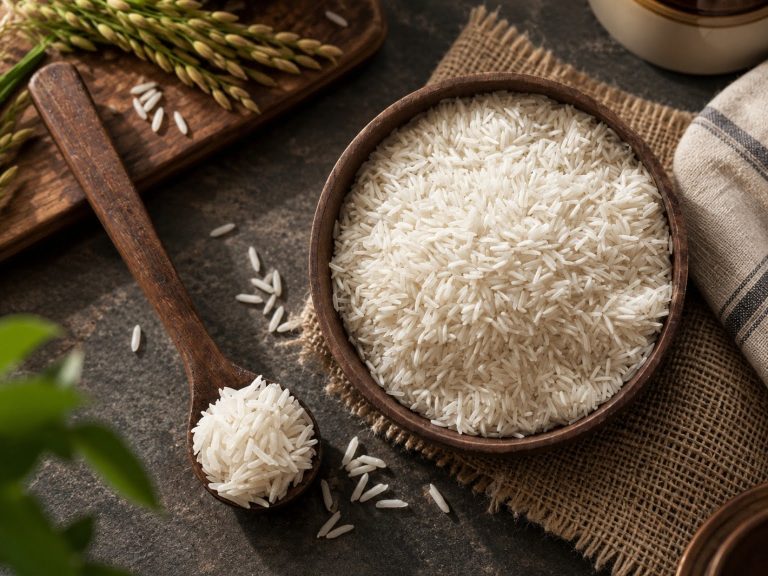
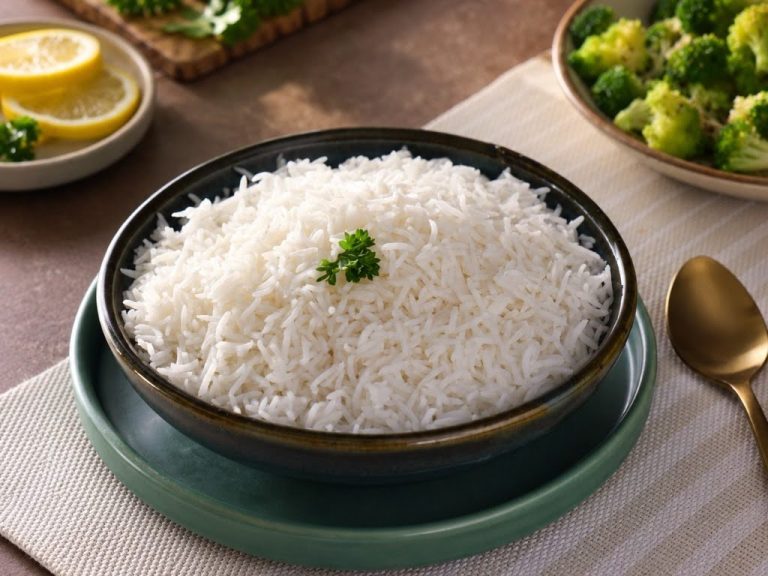
Basmati is a premium aged, extra-long grain prized for a naturally nutty fragrance that fills the kitchen the moment the lid comes off. Because it is an aged, long-grain Basmati, the grains firm up rather than clump, cooking loose and separate every time.
Where Basmati Shines
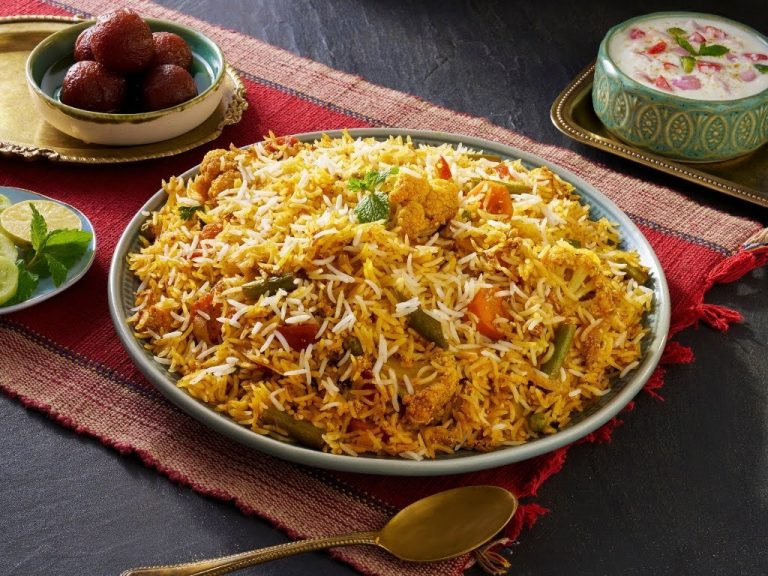
Basmati is built for dishes where the rice is meant to be noticed. Think biryani layered with spiced meat, a golden pulao studded with whole spices, or a simple mound of long grains next to a rich curry. When you want each grain to stand tall and fragrant, this is the one.
What Is Sona Masoori Rice?
If Basmati is the showpiece, Sona Masoori is the everyday workhorse of South Indian cooking, and it is aromatic in a gentler, homier way.
Pearls of South India
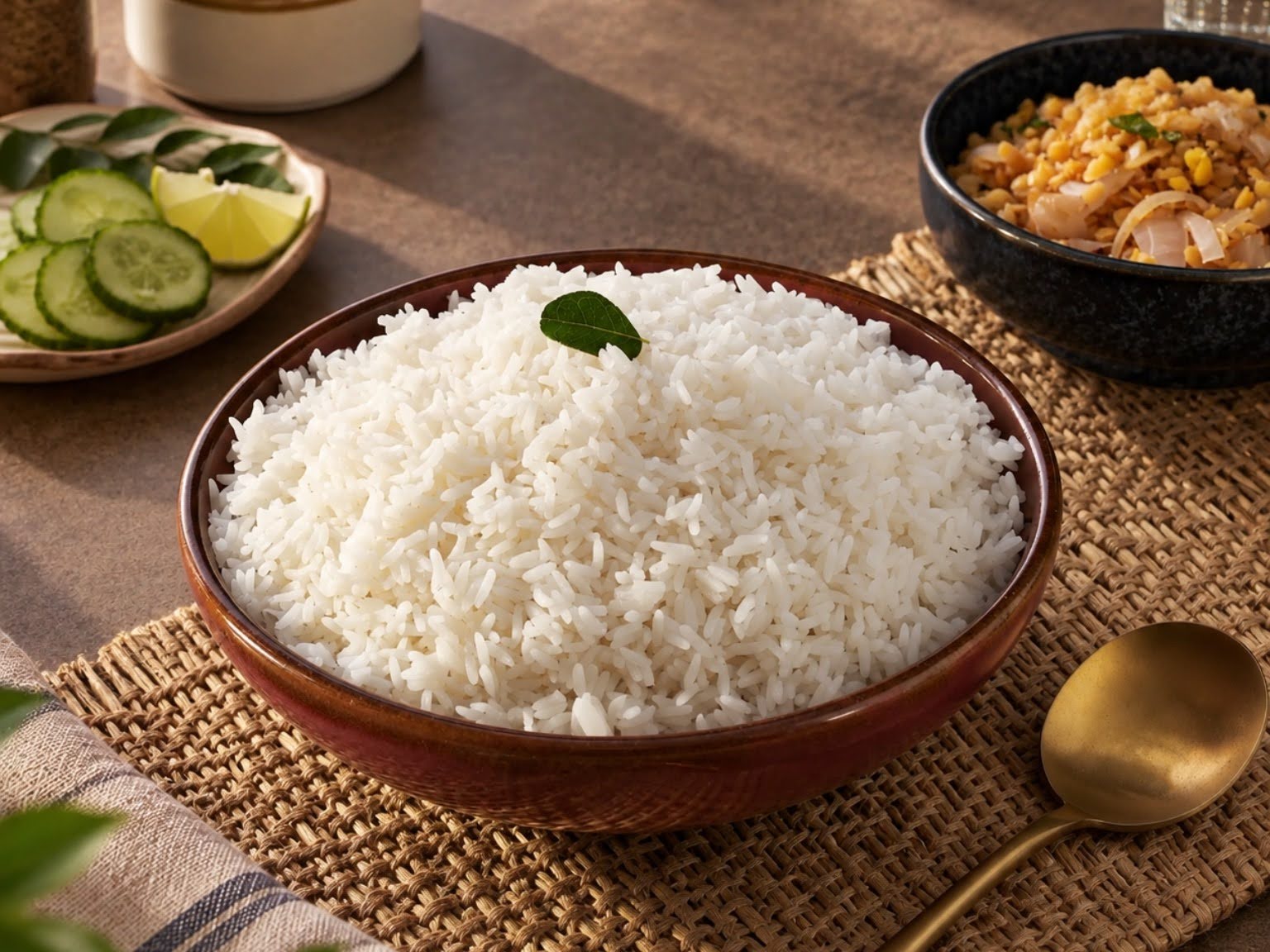
Often called the pearls of South India, a medium-grain Sona Masoori is lightweight, subtly fragrant, and softer than Basmati once cooked. Its grains are shorter and plumper, and they cook down tender with a gentle, comforting stickiness rather than staying stubbornly separate.
Built for Everyday Meals and Batter
This is the grain behind so many South Indian staples: soft rice for sambar and rasam, cooling curd rice, and the ground base for idli and dosa batter, where its texture ferments into that signature soft-and-springy result.
For pantries that prefer organic, an organic Sona Masoori offers the same everyday grain grown to USDA Organic standards.
Sona Masoori vs. Basmati: Side by Side
When the two grains sit next to each other, the differences line up cleanly across a handful of factors.
| Attribute | Basmati Rice | Sona Masoori Rice |
|---|---|---|
| Grain length | Extra-long, aromatic | Medium-grain, lightweight |
| Best for | Biryani, pulao, standalone rice dishes | Idli, dosa, everyday South Indian meals, curries |
| Texture after cooking | Fluffy, separate grains | Soft, slightly sticky |
| Aging | Premium aged for aroma | Prized for freshness, not aged the same way |
For a fragrant biryani, Basmati wins on aroma and those loose, separate grains.
For a comforting plate of curd rice or a bowl of sambar sadam, the soft, lightly sticky texture of Sona Masoori is exactly what the dish wants.
Which Rice to Use for Common South Indian Dishes
The comparison gets easier when you line it up against an actual menu. Most South Indian cooking sorts neatly into two camps, and the grain simply follows the dish.
Reach for Sona Masoori: Idli, Dosa, and Everyday Meals
For the dishes that fill a South Indian table day to day, Sona Masoori is almost always the answer:
- Idli and dosa: its soft, plump grains grind into a smooth batter that ferments into something springy and tender.
- Sambar and rasam: steamed Sona Masoori is the natural bed for a soupy, comforting plate.
- Curd rice: the gentle stickiness turns it creamy and cohesive rather than loose.
- Lemon rice and tamarind rice: the soft texture helps the seasoning cling to every grain.
Reach for Basmati: Biryani, Pulao, and Festive Plates
When the occasion calls for something aromatic and celebratory, Basmati takes over:
- Biryani: long, separate grains stay distinct under layers of spiced meat or vegetables.
- Pulao: a fragrant, fluffy base that carries whole spices without turning heavy.
- Ghee rice: simple and buttery, with every grain standing on its own.
- Festive plates: when the rice is the showpiece rather than the quiet base, this is the grain to reach for.
Can You Substitute One for the Other?
The honest answer is yes, in a pinch, though the outcome shifts with the swap.
When a Swap Works
If you are simply serving rice alongside a curry and do not have the usual grain on hand, either will do the job. Basmati next to a South Indian curry is perfectly pleasant, and Sona Masoori under a spoon of dal will not disappoint anyone at the table.
When to Keep Them Separate
Some dishes really do care. Idli and dosa lean on the soft, grindable texture of Sona Masoori, so Basmati is a poor stand-in there. For biryani and pulao, the reverse is true: reach for a long-grain Basmati so the grains stay separate under layers of spice.
One Grain for the Feast, One for the Everyday
Sona Masoori and Basmati are not rivals so much as teammates, each shining in the dishes the other cannot quite carry. Basmati brings the aroma and the drama to biryani and pulao, while Sona Masoori brings the soft, everyday comfort that anchors a South Indian table meal after meal.
Keep both on the shelf, and you are ready for whatever the week asks of you, from a festive biryani to a quiet plate of curd rice. When you are stocking up for everyday South Indian cooking, a bag of aromatic Sona Masoori rice is the natural place to begin.
Frequently Asked Questions
Is Sona Masoori the same as Basmati?
No. Basmati is a long-grain, aged, aromatic grain that cooks up fluffy and separate, while Sona Masoori is a medium-grain, lightweight rice that cooks softer and slightly sticky. They suit different dishes.
Which rice is best for idli and dosa?
Sona Masoori is the go-to for idli and dosa. Its texture grinds into a smooth batter and ferments into the soft, springy result those dishes are known for, which is why South Indian kitchens rely on it.
What rice is used in South Indian cooking?
Sona Masoori is the everyday backbone for curries, sambar, curd rice, and batters, while Basmati appears for special-occasion biryani and pulao. Most homes keep both for their different roles.
Can I use Basmati rice for idli?
It is not the best match. Idli depends on the softer, plumper texture of Sona Masoori (or a dedicated idli rice) to ferment and steam properly. Basmati stays too firm and separate to give the right result.
Is Sona Masoori rice healthier than Basmati?
Neither is a clear winner. Both are naturally gluten-free grains, and the better choice depends on the dish and your texture preference rather than a simple health ranking.