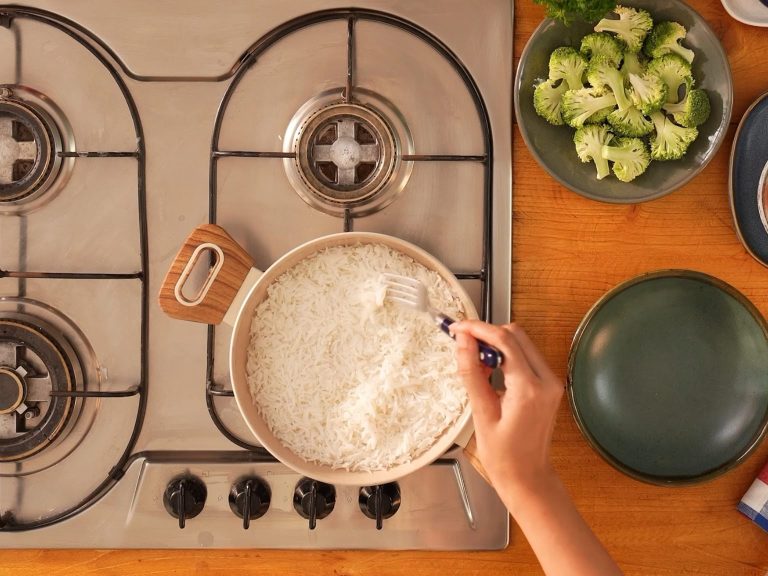
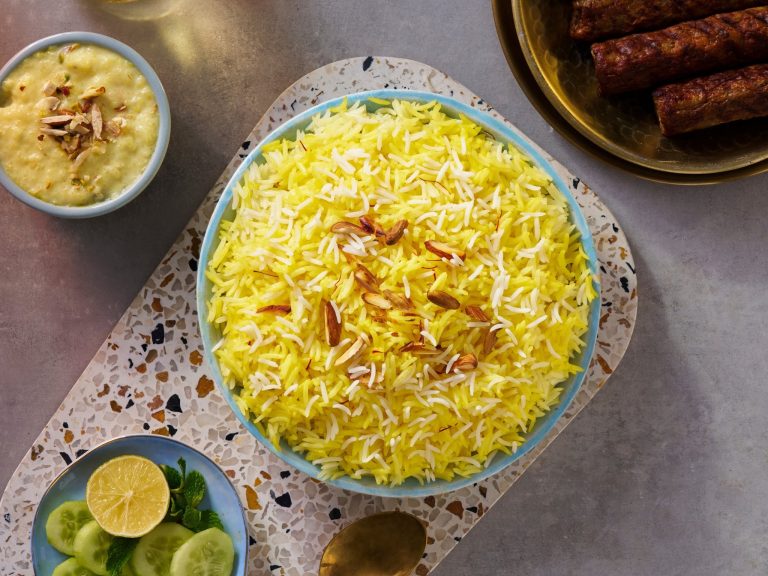
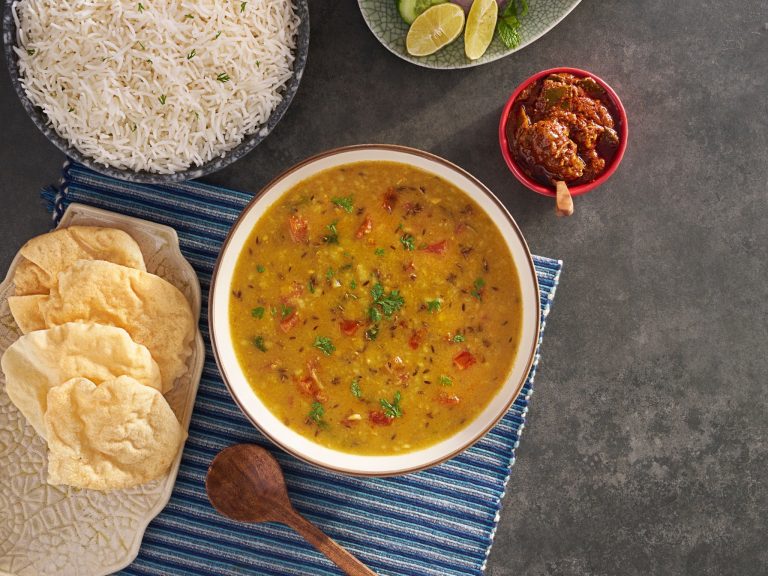
How to Wash Rice Properly Before Cooking: Do You Really Need to Rinse It?
For fluffy, non-sticky Basmati and long-grain rice, you should rinse it 2–3 times in cold water to remove surface starch and debris. Skip rinsing for dishes that rely on starch for creaminess, such as risotto, paella, or rice pudding.
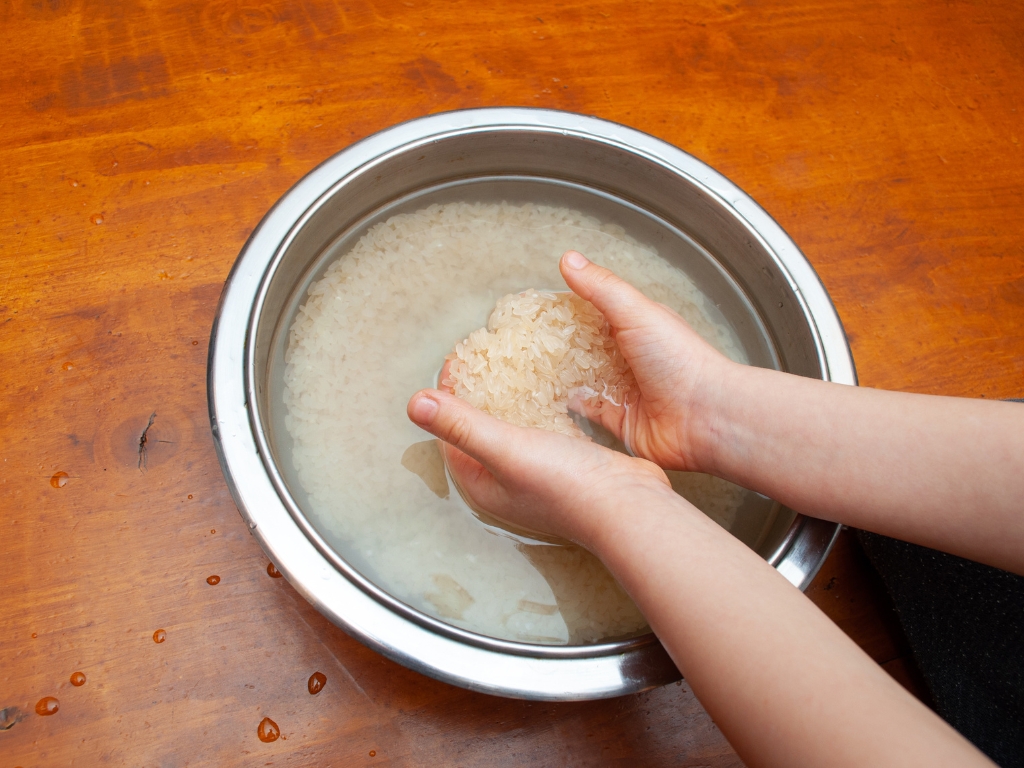
Run cold water over a bowl of dry rice and watch it cloud over in seconds, a swirl of milky white rising off the grains. That cloudiness is the whole reason this small step exists. Whether it earns a place in your routine depends on the rice, the dish, and the texture you are chasing.
Here is the honest answer, and the two-minute method that makes a real difference.
Do You Really Need to Rinse Rice?
For most long-grain rice, yes. Rinsing washes away loose surface starch, the coating that makes cooked grains clump and turn gummy. Rinse it off and the grains cook up lighter and more separate. There are a few dishes where you actually want that starch, and we will get to those. For everyday Basmati, though, a quick rinse is worth the two minutes.
What Rinsing Actually Removes
A rinse is doing more than one job at once. Here is what runs off with that cloudy water, and why each part matters to the pot.
Surface Starch
Surface starch is the fine powder clinging to each grain after milling. Left on, it dissolves in the pot and glues the grains together into a sticky mass. Rinsing Basmati rice until the water runs clearer strips most of it away, which is exactly why washed rice cooks up loose and separate. A long-grain Basmati rice rewards the rinse. Aged a minimum of 6 months, its grains stay distinct and fragrant once you rinse off that starch.
Dust and Debris
Rice travels a long way from field to pantry, and a rinse clears any dust or fine debris it picks up along the route. What lands in your pot is then just clean grain. That simple habit leaves both the flavor and the finish cleaner.
A Head Start on Cooking
Washing rice also begins hydrating the grain, a quiet first step toward more even cooking. A certified-organic Basmati rice rewards the effort, rinsing clean and cooking up tender and separate.
How to Wash Rice, Step by Step
Washing rice takes about two minutes and needs nothing more than a bowl or a fine-mesh sieve. Here is the method that works for Basmati and most long-grain rice.
- Measure your rice into a large bowl or a fine-mesh sieve.
- Add cool water until the grains are covered by an inch or so.
- Swirl gently with your fingers. The water will turn cloudy fast.
- Pour off the cloudy water, holding the grains back with your hand or the sieve.
- Repeat two or three times, until the water runs mostly clear.
- Drain well. Your rice is ready to cook, or to soak if the recipe calls for it.
One last cooking tip: do not overthink the clarity. The water does not need to run clear, just noticeably cleaner than when you started.
When to Skip the Rinse
Rinsing is the default, but not an ironclad rule. A few dishes actually rely on that surface starch, and some grains need only a light pass under the tap.
Creamy Dishes
For risotto, paella, or rice pudding, the starch is the whole point. That starch melts into the liquid and gives these dishes their signature creaminess, so a rinse would work against you. Skip it, or rinse only lightly to clear any debris.
Whole-Grain and Brown Rice
Brown rice keeps its bran layer, so it carries far less surface starch to wash away. A quick rinse for cleanliness is plenty.
A brown Basmati rice needs only a light pass, keeping its nutty, whole-grain character with a quick rinse under cold water.
Parboiled and Premium Grains
Parboiled rice is firm and separate by design, so it needs only a rinse or two. A parboiled Sella rice needs only a rinse or two, holding its shape beautifully for a celebration pot. For big-batch cooking, you can prep ahead; a make-ahead Sella rice keeps its texture just as well.
Rinse or Not: A Quick Reference
Not sure where your grain lands? Match the rice to the goal, and the answer is usually clear.
| Rice or dish | Rinse? | Why |
|---|---|---|
| Basmati and long-grain | Yes, until water runs clearer | Removes surface starch for separate grains |
| Sushi and sticky rice | Light rinse | Cleans debris; stickiness comes from inside the grain |
| Risotto, paella, rice pudding | No | Surface starch builds the creamy texture |
| Brown and whole-grain | Light rinse | Bran means little surface starch to remove |
| Parboiled Sella | One or two rinses | Already firm; needs only a quick clean |
The Two-Minute Habit Worth Keeping
Washing rice is one of those small kitchen habits that quietly separates good rice from perfect rice. For fluffy, aromatic Basmati, a quick rinse clears the starch that would otherwise weigh it down, and the payoff shows up in every separate, glistening grain. For creamy or whole-grain dishes, a lighter touch, or none at all, is the smarter move.
The best part is how little it asks of you: a bowl, some cool water, two minutes. Start with a grain worth the ritual, and the rest takes care of itself.
Ready to feel the difference for yourself? See the full Royal® Basmati Rice collection and pick a grain worth rinsing well.
Frequently Asked Questions
Do you really need to rinse rice before cooking?
For most long-grain rice like Basmati, yes. Rinsing removes surface starch so the grains cook up fluffy and separate instead of sticky. Skip it only for creamy dishes like risotto.
How do you wash rice properly?
Place rice in a bowl or fine-mesh sieve, cover with cool water, and swirl gently. Pour off the cloudy water and repeat two or three times until it runs mostly clear, then drain.
Should you rinse Basmati rice specifically?
Yes. Rinsing Basmati rice clears the loose starch that causes clumping, which helps its long grains stay separate and show off their natural aroma.
Does washing rice remove nutrients?
A rinse mainly washes away surface starch and debris, not the nutrition inside the grain. With whole-grain rice, the bran and germ stay intact through a light rinse.
How many times should you rinse rice?
Usually two or three rinses are enough. You are aiming for water that runs noticeably clearer, not clear, so there is no need to over-wash.
Do you wash rice with hot or cold water?
Use cold water, which rinses away surface starch without starting to cook the grains, keeping the texture firm and separate once cooked.