How to Make Fluffy Biryani Rice: 7 Tricks for Perfect Long, Separate Grains
Master fluffy biryani rice by using aged Basmati, rinsing off surface starch, and soaking. Par-cook grains to 70%, then finish with gentle dum steam before fluffing with a fork.
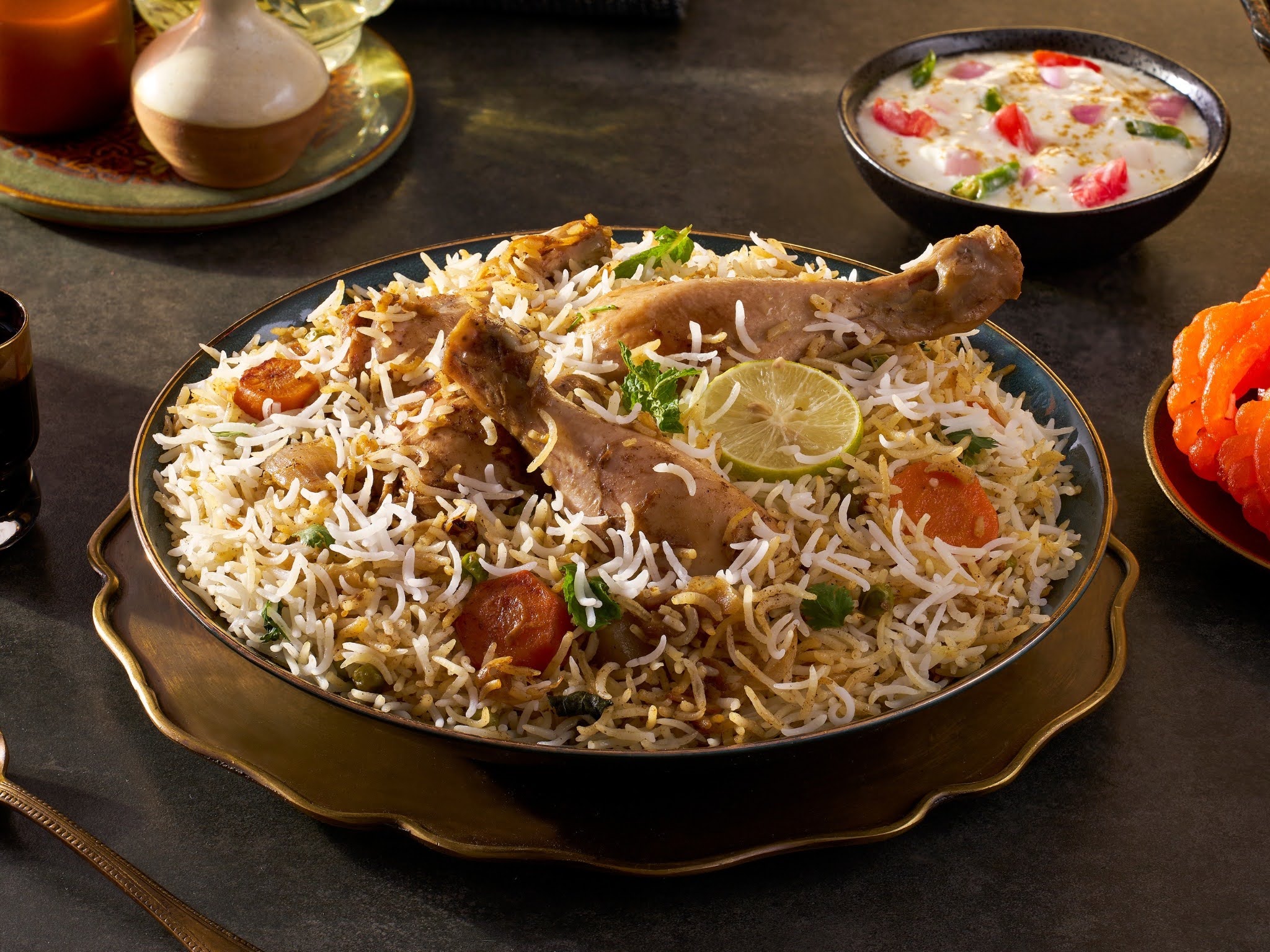
You know biryani is made right the moment you open the pot: long, separate grains, each one glossy and aromatic, none of them stuck together. That restaurant-style texture is not luck but the result of a handful of small decisions, made in the right order, long before the lid goes on. Master these seven tricks and clumpy biryani becomes a thing of the past.
Prep the Rice: Tricks 1 to 3
The best biryani is decided before any steaming begins. The first three tricks happen at the counter and the sink, and they prep every grain to cook evenly and stay separate.
Trick 1: Start With the Right Rice
Biryani cooks the rice twice, once in a quick par-boil and again under slow dum steam, so the grain has to stay firm and separate through both rounds of heat. Aged Basmati rice has lost moisture over time, so it elongates and stays distinct, ideal for a classic home biryani.
Cooking for a full table? A parboiled Sella rice is more forgiving, resisting overcooking and holding its shape even in a deep, crowded pot.
Trick 2: Rinse Until the Water Runs Clearer
Surface starch is the fine powder that glues grains together, so wash it off before anything else. Pour the rice into a bowl or sieve and rinse in a few changes of cold water, swirling gently with your fingers, until the cloudy white turns almost clear. A thorough rinse is the quiet difference between separate grains and a sticky clump, and it costs you only a couple of minutes at the sink.
Trick 3: Soak, Then Drain
A short soak lets the grains drink up a little water so they lengthen and cook evenly, stretching long instead of snapping in the pot. Many cooks soak their rice for 15 to 30 minutes, then drain it well before the boil.
If you are working from a biryani kit, follow the time on the box: both the Hyderabadi biryani kit and Lucknowi biryani kit call for a 20 to 30 minute soak.
Cook the Rice: Tricks 4 to 7
With the grains prepped, the cooking is all about restraint. Pull the rice early, layer it gently, and let steam do the finishing work.
Trick 4: Salt the Water and Add Whole Spices
Par-cook the rice in plenty of water, the way you would cook pasta, and salt it generously so each grain seasons from the inside out. Drop whole spices straight into the water too: green cardamom, cloves, a bay leaf, maybe a short stick of cinnamon. Season only the rice water at this stage, since the masala brings its own salt and spice, and doubling up can push the finished dish toward harshness.
Trick 5: Par-Cook to About 70 Percent
Pull the rice while the center still has a faint, chalky bite, roughly 70 percent of the way cooked. Lift out a grain and break it: a tiny white dot in the middle means it is ready to drain. Tip it into a colander right away so it stops cooking. Over-boiling at this step is the single biggest cause of mushy biryani, because the dum steam still has plenty of work left to finish the grains.
Trick 6: Layer and Seal for Dum
Spread the drained rice over your spiced meat or vegetables in even layers, tucking saffron milk, fried onions, and fresh herbs between them for color and aroma. Cover the pot tightly and slip a clean kitchen towel under the lid to catch steam and stop it from dripping back onto the rice.
For a make-ahead pot you plan to keep warm through a long meal, a make-ahead Sella rice holds its texture without turning soft.
Trick 7: Rest, Then Fluff With a Fork
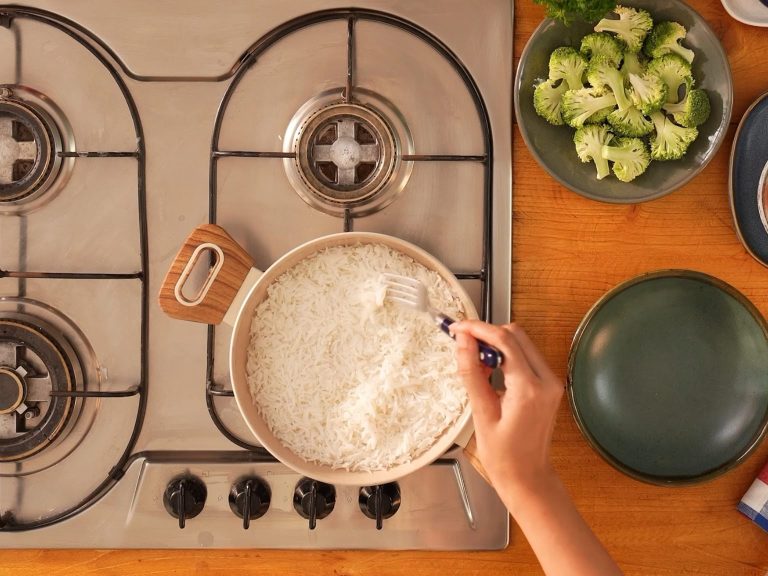
When the cooking time is up, resist lifting the lid straight away. Let the pot rest off the heat for a few minutes so the moisture settles evenly and the grains firm up. Then fluff gently with a fork, lifting from the edges toward the center. Stirring with a spoon crushes those long grains into paste, so keep the touch light and let the layers fall apart on their own.
Which Rice for Which Biryani
Different biryani, different grain. Here is a quick way to choose the one for your pot.
| Your biryani | Best rice | Why |
|---|---|---|
| Classic home biryani | Aged long-grain Basmati | Aged 12+ months, long and separate |
| Big-batch or party biryani | Parboiled Golden Sella | Parboiled, resists overcooking |
| Make-ahead, keep-warm biryani | Creamy Sella | Holds its texture for hours |
| Fast weeknight biryani | Hyderabadi or Lucknowi biryani kit | Rice, paste, and spices in one box |
The Secret Is in the Grain
Perfect biryani rice is not about a secret spice or a special pot. The method is a sequence: the right grain, a good rinse, a short soak, a careful par-cook, and a gentle dum. Get those in order, and the tall, separate, fragrant grains you admire at a restaurant become the ones coming out of your own kitchen.
The foundation is always the rice, so start there and let the technique do the rest. Whether you are layering a from-scratch feast or reaching for a kit on a busy night, choose a grain built to stay separate.
Ready to make your best biryani yet? Head to the Royal® Basmati Rice collection and bring the right grain to your next biryani.
Frequently Asked Questions
What is the best rice for fluffy biryani?
Aged, long-grain Basmati is the classic choice because it stays separate and fragrant. For big batches, parboiled Sella rice holds its shape and resists overcooking.
How do you keep biryani rice from getting mushy?
Rinse off the surface starch, par-cook the rice to about 70 percent, then drain and finish with gentle dum steam. Over-boiling is the usual cause of mushy grains.
Should you soak rice before making biryani?
Yes, a short soak helps the grains lengthen and cook evenly. Many cooks soak for 15 to 30 minutes, and many biryani kits suggest 20 to 30 minutes, so follow your pack.
What does par-cooking rice for biryani mean?
Par-cooking means boiling the rice only partway, to about 70 percent, before draining. The grains finish cooking during the dum steam, which keeps them long and separate.
Is Sella Basmati rice good for biryani?
Yes. Sella is parboiled, so it is firmer and more forgiving, staying separate even in large pots. A great pick when you are cooking biryani for a crowd.
Do you rinse rice before or after soaking for biryani?
Rinse first to wash away the surface starch, then soak the clean rice. Drain it well after soaking so the par-boil starts with the right amount of water.