15 Global Rice Dishes You Can Make With Basmati Rice
Basmati rice’s long, non-sticky grains make it ideal for global cooking. Use it in Indian biryanis, Persian tahdig, Nigerian jollof, Mexican arroz rojo, or quick fried rice and grain bowls.
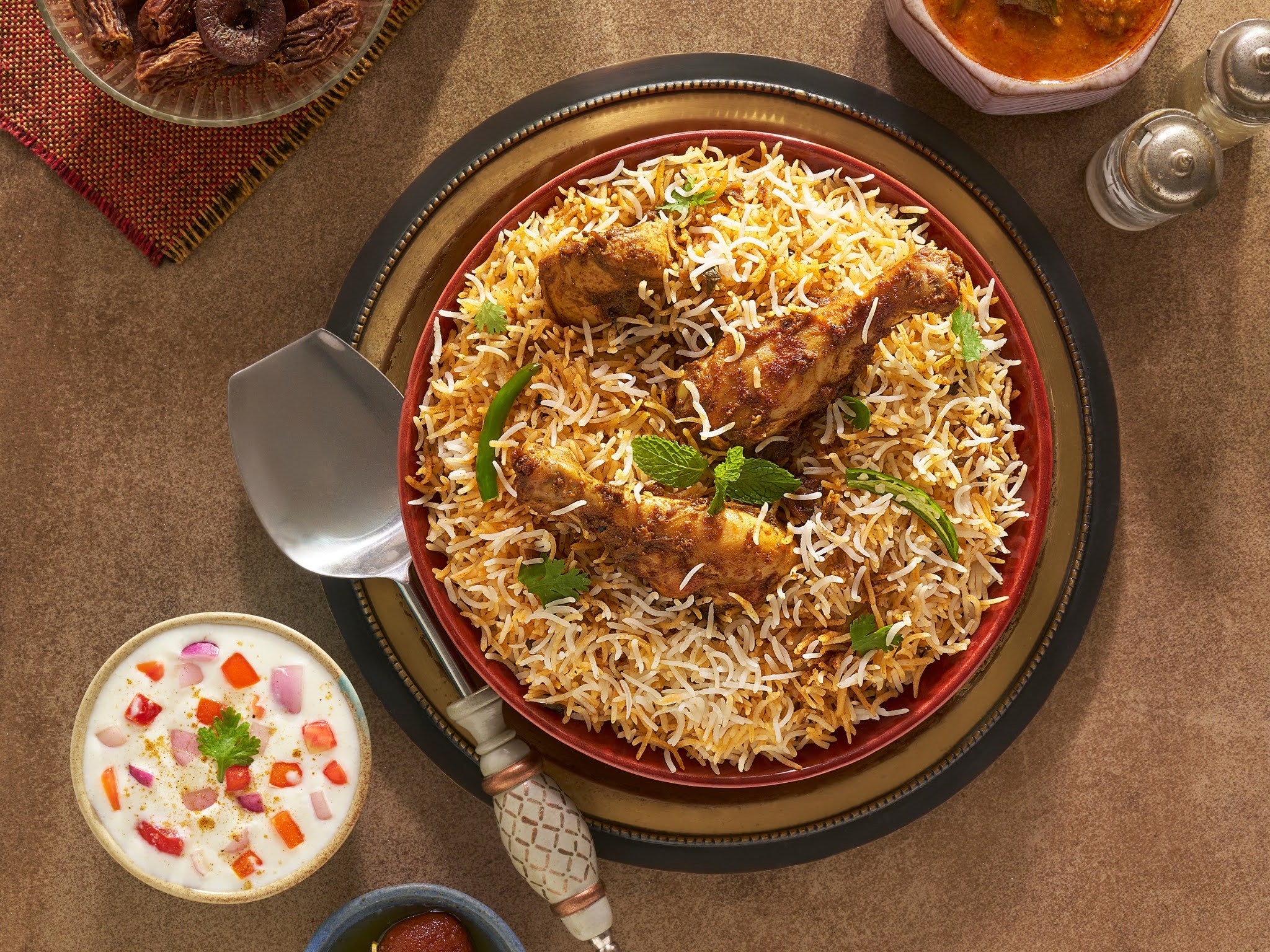
Open a pot of just-cooked Basmati and the kitchen fills with a warm, nutty smell. One grain, and you could be cooking in India, Iran, or Nigeria. That is the magic of Basmati: it works in almost any cuisine. Here are 15 global dishes you can make with a single bag, from slow-cooked feasts to quick weeknight dinners.
What Makes Basmati a Global Grain
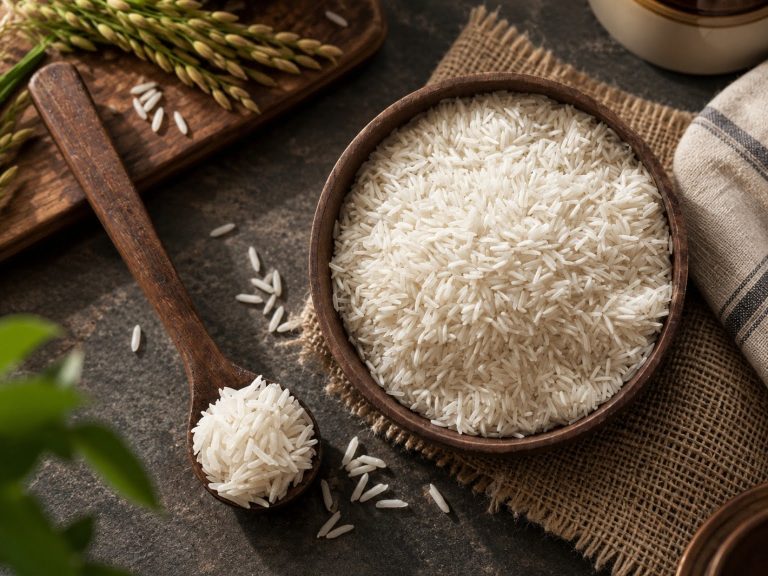
Basmati is a long-grain aromatic rice. Its grains stay loose and separate when cooked, which is why it fits so many cuisines. Three things make it the go-to grain for long-grain rice recipes around the world.
Long, Separate Grains
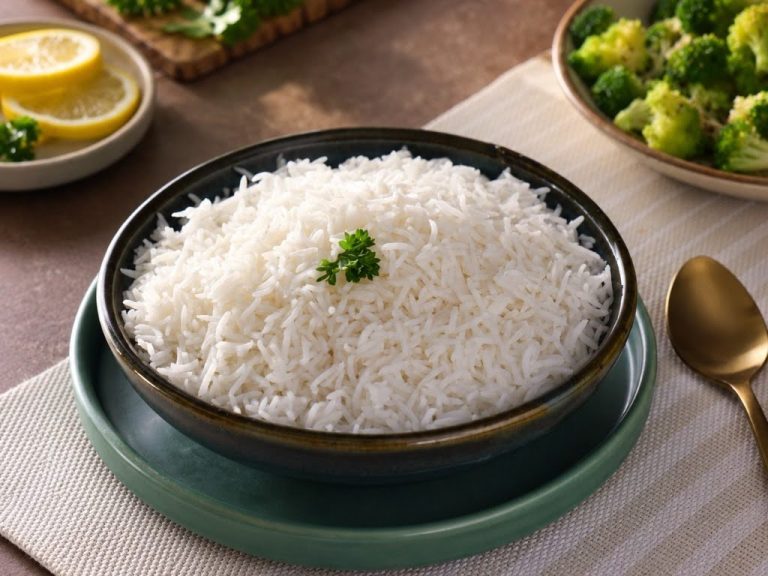
Basmati cooks up light, not clumpy. It helps keep pilaf and fried rice light and separate. Aged Basmati rice keeps the grains non-sticky and separate. A minimum of 6 months in controlled silos delivers that loose texture, making it the everyday base for most Basmati rice recipes here.
A Naturally Fragrant Base
Basmati has its own gentle aroma, a little like popcorn and flowers. That built-in fragrance pairs well with saffron, cardamom, lime, or chili. An organic Basmati rice carries the same gentle aroma into any of these rice recipes.
Holds Its Shape
Global dishes often mean bold spice and rich sauces. Basmati holds its shape well while absorbing flavor, so it stands up to the heartier global rice recipes below.
15 Global Rice Dishes You Can Make With Basmati
All 15 dishes come from six cuisines, but they share the same long, fragrant grain. Pick one and cook your way around the world.
Indian Classics
India is Basmati’s home, so this is where its long grains shine brightest.
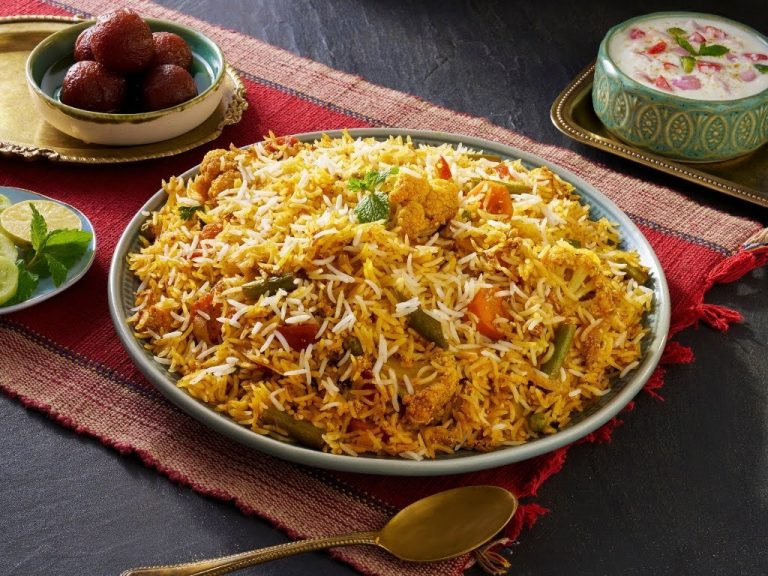
- Biryani: layered rice and spiced meat or vegetables, slow-cooked so every grain soaks up the masala. Serve it with cooling raita.
For making biryani that stays separate, choose parboiled Sella rice that holds firm even under caramelized onions and saffron.
- Pulao: a simpler, one-pot cousin of biryani, cooked with whole spices. A quick, fragrant side for almost any curry.
- Lemon rice: a South Indian favorite with mustard seeds, curry leaves, and bright citrus. Light, tangy, and lovely with a spoonful of yogurt.
- Kheer: a creamy rice pudding scented with cardamom. Top it with nuts and a pinch of saffron for the end of a feast.
Persian and Middle Eastern
Here rice is the star of the table, not a side. Basmati makes these dishes easier than they look.
- Persian rice: fluffy chelow finished with tahdig, the golden crust at the bottom of the pot. The crisp tahdig is the piece everyone reaches for first.
- Jeweled rice: Persian rice studded with pistachios, barberries, and orange zest. Just as festive to look at as to eat.
- Mujadara: rice and lentils topped with deeply caramelized onions. Simple, filling, and naturally vegetarian.
- Kabsa: the Gulf’s spiced rice-and-meat centerpiece, warm with cinnamon, cardamom, and dried lime.
For a fast Middle Eastern rice side, a saffron and turmeric pouch is ready in 90 seconds.
Latin and African
Basmati is not just for Indian food. The grain shines in these one-pot classics too.
- Mexican rice: tomato-and-onion arroz rojo, toasted in oil, then simmered. Serve it alongside tacos or beans. For a weeknight Mexican rice, a ready-to-heat street-corn pouch brings sweet corn and citrus.
- Cuban black beans and rice: earthy beans over fluffy grains, finished with a squeeze of lime.
- Nigerian jollof: a smoky, tomato-rich classic and a party favorite across West Africa. A firm grain like Golden Sella keeps it separate.
- Egyptian koshari: Egypt’s most-loved street food, a mix of rice, lentils, pasta, and crispy onions in spiced tomato sauce.
Fried Rice and Bowls
Some of the easiest rice recipes start with day-old rice. Cold Basmati is drier and firmer, which is exactly what you want.
- Fried rice: chilled Basmati crisps up without clumping, ready for soy, egg, and vegetables. Its long grains keep fried rice light, and dinner is done in under 20 minutes.
- Nasi goreng: Indonesian fried rice, spiced and often topped with a fried egg. Sweet, savory, and a little smoky.
- Rice bowls: warm Basmati as a base for roasted vegetables, beans, and sauce. For fast, fuss-free rice bowls, that same everyday Organic Basmati does the job. When you are feeding a crowd, a make-ahead Sella rice holds its texture even when kept warm.
One Grain, Many Tables
From biryani to jollof to fried rice, the same long-grain Basmati carries every one of these dishes. One bag of rice, and you can cook across six cuisines without ever leaving your kitchen.
That is the idea behind Many Flavors of You™: food that brings people together, wherever the recipe comes from. Pick a dish, and let Basmati take you there.
Visit Authentic Royal’s full Basmati Rice collection and pick the grain for your next plate from anywhere in the world.
Frequently Asked Questions
What global dishes can you make with Basmati rice?
Plenty: Indian biryani and pulao, Persian jeweled rice, Middle Eastern mujadara, Mexican rice, Nigerian jollof, Egyptian koshari, and quick fried rice or grain bowls. Its long grain suits almost any cuisine.
Is Basmati rice good for fried rice?
Yes. Day-old Basmati is drier and firmer, so it crisps in the pan without clumping. The long grains keep fried rice light and separate rather than sticky.
Which Basmati is best for biryani?
Choose one that holds its shape under layers of spice. Parboiled options like Golden Sella stay firm and separate, so the grains do not turn soft in the pot.
Can you use Basmati rice for Mexican rice?
Absolutely. Toast the long grains in oil before simmering with tomato and aromatics. For a shortcut, a ready-to-heat Mexican-style street-corn pouch brings those flavors together in 90 seconds.
What is the difference between Sella and regular Basmati rice?
Sella is parboiled before milling, which gives it better holding ability and resilience to overcooking, ideal for big batches. Regular Basmati is prized for its everyday fluffy, aromatic grains.
How do you keep Basmati grains loose and separate?
Rinse the rice until the water runs clearer to remove surface starch, avoid over-stirring, and follow the water ratio and timing printed on the pack.