Is Brown Rice Healthier Than White Rice? Everything You Need to Know
Brown rice offers more fiber, B vitamins, and a lower glycemic index, while white rice is easier to digest and cooks faster. Both have similar calorie counts, so the healthier choice depends on your digestive needs and dietary goals.
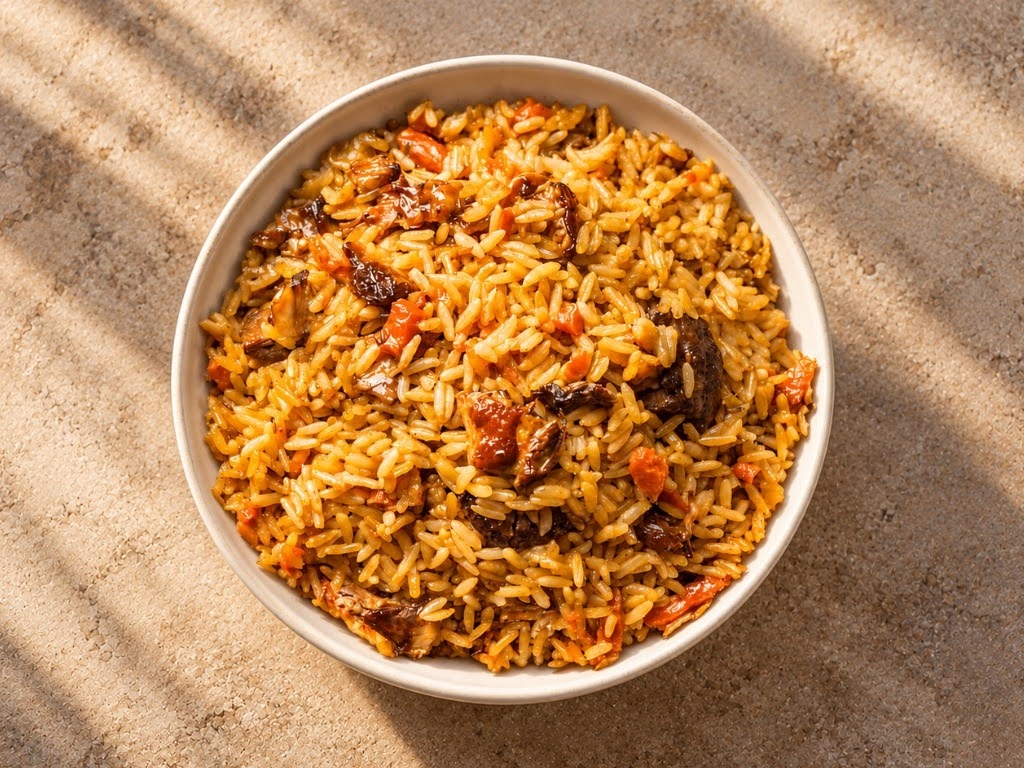
Brown rice tends to get treated as the automatic healthy choice, and white rice as the one that needs defending. The truth is more interesting, and a lot more forgiving. Both are good foods, and which one earns a place on your plate depends on what you want from the meal in front of you.
What Actually Separates Brown and White Rice
Every grain of white rice started life as brown rice. The difference comes down to how much of the grain survives milling, and that single step changes everything else.
The Bran and the Germ
Brown rice is a whole grain, keeping its fibrous bran layer and nutrient-rich germ. White rice has both milled away, leaving just the starchy endosperm behind. That one step is what changes the color, the texture, the shelf life, and most of the nutrition. Everything people argue about traces back to it.
Fiber and Nutrients
With the bran and germ intact, brown rice carries more fiber, magnesium, B vitamins, and minerals like phosphorus and zinc. White rice loses much of that in milling, though it is often enriched afterward to add back iron and some B vitamins. Brown Basmati rice is the whole-grain option, while white Basmati rice is the lighter, quicker one.
Cooking and Texture
White rice cooks faster and lands soft and fluffy, which is why it suits quick weeknight meals. Brown rice takes longer and stays chewier, with a nuttier, earthier flavor and a bit more bite. That chewiness also makes brown rice hold up well in grain bowls and salads, where softer rice would go mushy.
An organic Basmati rice gives you that classic tender grain, if a soft texture is what you are after.
Is Brown Rice Actually Healthier?
Yes and no. Brown rice is more nutrient-dense, but the gap is smaller than its health-food reputation suggests, and the smartest choice shifts with the situation.
For Fiber and Fullness
The clearest win for brown rice is fiber. That extra fiber slows digestion and helps a meal feel more satisfying, which is part of why whole grains fit so well into balanced eating. Calories, though, are nearly identical between the two, so brown rice is not a low-calorie food, just a higher-fiber one. That distinction matters more than most labels let on.
For Blood Sugar
Brown rice has a lower glycemic index than white, meaning it raises blood sugar more gradually. For anyone keeping an eye on their blood sugar, that gentler curve is a genuine advantage. Basmati is worth a mention here too, since it tends to sit lower on the scale than many everyday white rices, whether you choose it brown or white.
Parboiled grains like a Sella Basmati rice or a Golden Sella Basmati rice sit low on the scale too, thanks to their resistant starch.
For Everyday Eating
White rice still earns its place. Gentle on digestion, it suits anyone with certain stomach sensitivities, and it cooks quickly on a busy night. Health guidelines suggest making about half your grains whole, so keeping both around and alternating across the week is a sensible, realistic goal rather than an all-or-nothing rule. Both work as a base for curries, stir-fries, and grain bowls, so switching between them keeps meals varied with little effort.
Brown vs White at a Glance
A quick side-by-side of how the two stack up.
| Feature | Brown rice | White rice |
|---|---|---|
| Grain | Whole (bran and germ) | Milled (endosperm) |
| Fiber | Higher | Lower, often enriched |
| Glycemic index | Lower | Higher |
| Texture | Chewy, nutty | Soft, fluffy |
| Cook time | Longer | Quicker |
| Best for | Fiber, blood sugar | Digestion, speed |
The Honest Verdict
So is brown rice healthier than white? For fiber, minerals, and a gentler effect on blood sugar, brown rice has the edge. For easy digestion, quick cooking, and a soft, familiar texture, white rice holds its own. Neither is a villain, and calories are close enough that weight comes down to your overall diet, not which rice sits in the bowl.
The most useful move is not crowning a winner but keeping both on hand and matching the rice to the meal. Individual needs vary, so take this as general guidance rather than a rule.
Ready to stock both? Check out the Royal® Basmati Rice collection and keep a brown and a white within reach.
Frequently Asked Questions
Is brown rice healthier than white rice?
Brown rice is more nutrient-dense, with more fiber, magnesium, and B vitamins, plus a lower glycemic index. White rice is easier to digest and cooks faster. Both fit a balanced diet.
Does brown rice have fewer calories than white rice?
No. The two are very close in calories. Brown rice’s advantage is more fiber and nutrients, not fewer calories, so it is not a low-calorie food.
Which rice is better for weight management?
Neither rice is a magic answer. Brown rice’s extra fiber can help a meal feel more filling, but overall eating patterns matter far more than the type of rice alone.
Is brown rice better for blood sugar?
Brown rice has a lower glycemic index than white, so it raises blood sugar more gradually. Basmati also tends to sit lower on the scale than many everyday white rices.
Why is white rice sometimes the better choice?
White rice is gentle on digestion, which helps anyone following a low-fiber diet or managing certain stomach conditions, and it cooks faster for quick meals too.
Can you eat both brown and white rice?
Yes. Guidelines suggest making about half your grains whole, so alternating brown and white across the week is a practical, balanced approach.