How to Choose Authentic Basmati Rice: 10 Things to Look For
Spot authentic Basmati rice by looking for long, slender, off-white grains that are aged, uniform, and firm. Check for 100% Indian origin, a natural nutty aroma, and non-clumping cooked length.
Not every bag that says Basmati is the real thing. Grain length, aging, and where the rice was grown all separate authentic Basmati from ordinary long-grain rice dressed up to look the part. Checking these 10 traits, most of them easy to spot right in the store or where you’re buying, tells you what you are actually buying before you cook a single pot.
First, Look and Feel
The grain itself gives away most of the story. Before you even open the bag, the look and feel of the rice reveal its quality.
1. Long, Slender Grains
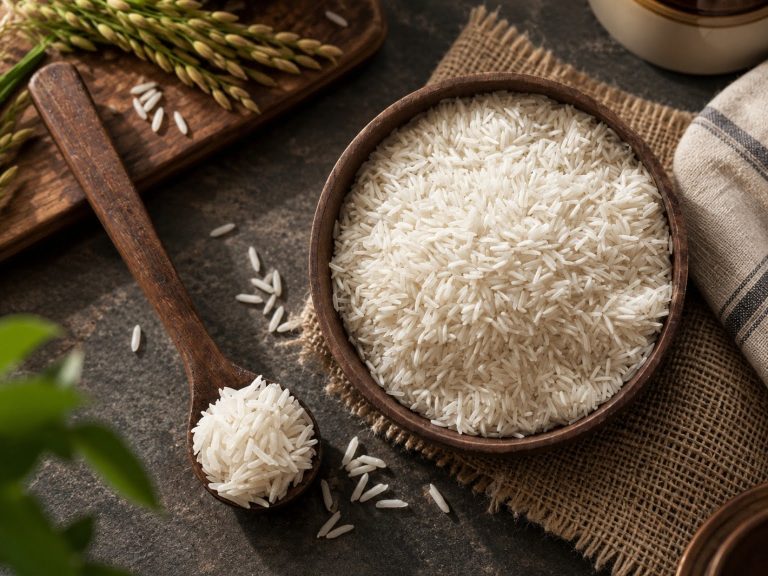
Authentic Basmati is long and slender, with a high length-to-width ratio that grows more dramatic once cooked. Look for the words “long grain” on the label, a hallmark of premium varieties. An extra-long-grain Basmati rice shows off this trait, stretching out rather than plumping up.
2. An Off-White, Natural Color
Good Basmati has a natural, slightly off-white, translucent color. Grains that look bright white, glassy, or heavily polished have often been over-processed, which can strip away aroma and character. A gentle, uneven ivory tone is the sign of authentic Basmati.
3. Uniform, Whole Grains
Quality rice is uniform: grains of similar length and thickness, with very few broken pieces or chalky white spots. A jumble of long and short grains usually points to blending or lower grades. Consistency in the bag tends to mean consistency in the pot.
4. Firm Grains That Do Not Crumble
Rub a few dry grains between your fingers. Genuine, well-aged Basmati feels hard and firm and resists snapping, while soft or crumbly grains hint at excess moisture or poor storage. Firmness is a quick, reliable tell you can do on the spot.
5. Pure Basmati, No Blended Grains
Authentic Basmati is 100 percent Basmati, not a mix cut with cheaper long-grain rice. Blending is a common way to pad a bag, so favor brands that state the variety plainly and stand behind their sourcing. Purity is what gives Basmati its signature aroma and texture.
Then, Smell, Read, and Cook
Your nose, the label, and the pot confirm the rest. Five more checks seal the decision.
6. A Natural, Nutty Aroma
Real Basmati carries a gentle, nutty, popcorn-like fragrance even before cooking, and it blooms as the rice steams. A harsh chemical smell, or a heavy perfume, suggests artificial scenting rather than genuine quality. Trust a natural aroma over an aggressive one.
7. Real Aging
Basmati improves with age. Resting the grain for a year or more lowers its moisture, which is why aged rice cooks up firmer, fluffier, and more fragrant. Look for “aged” on the label; aged Basmati rice held for a minimum of 6 months is a dependable marker of quality.
8. Grown in India
True Basmati comes from the Indian subcontinent, where the climate and soil give the grain its character. Origin on the label matters, so favor rice grown in India over generic “Basmati-style” blends. An organic Basmati rice sourced there pairs authentic origin with clean growing standards.
9. A Trusted Brand and Protective Packaging
A reputable brand with real quality control is your simplest shortcut to authenticity. Good packaging matters too: a sealed, resealable bag that keeps out moisture and pests protects the aroma from mill to kitchen. Flimsy, loosely sealed sacks put freshness at risk.
10. How It Behaves in the Pot
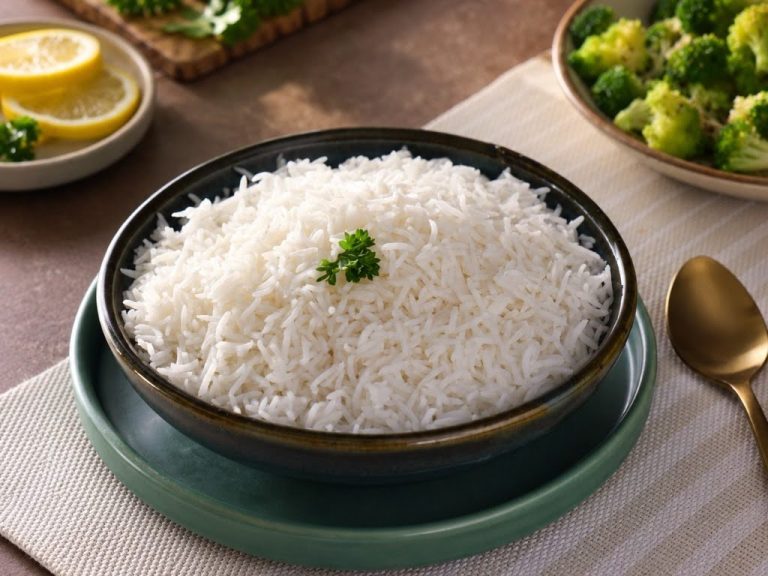
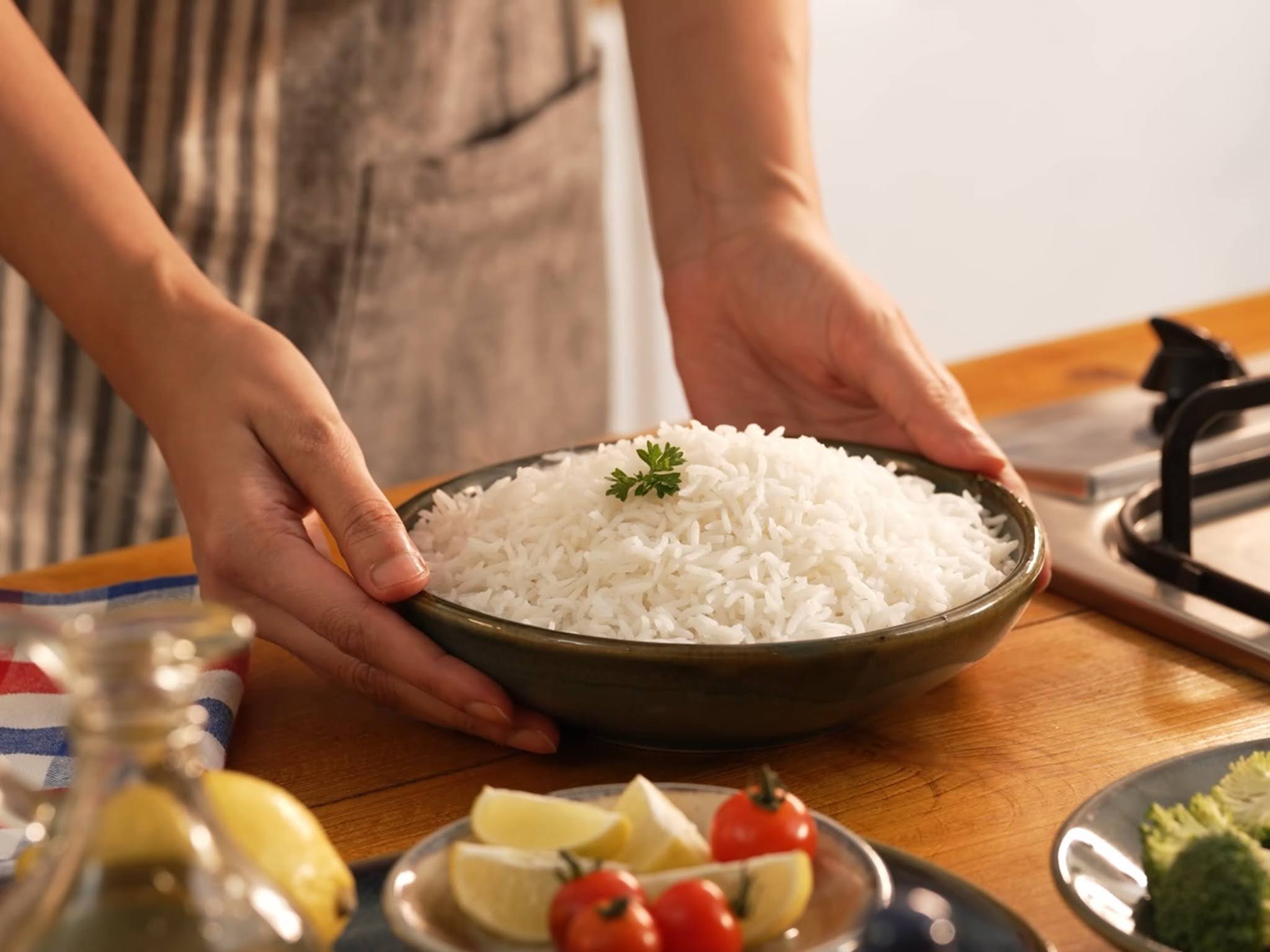
The final test is cooking. Authentic Basmati elongates as it cooks, often close to double its raw length, and the grains stay separate and fluffy rather than clumping.
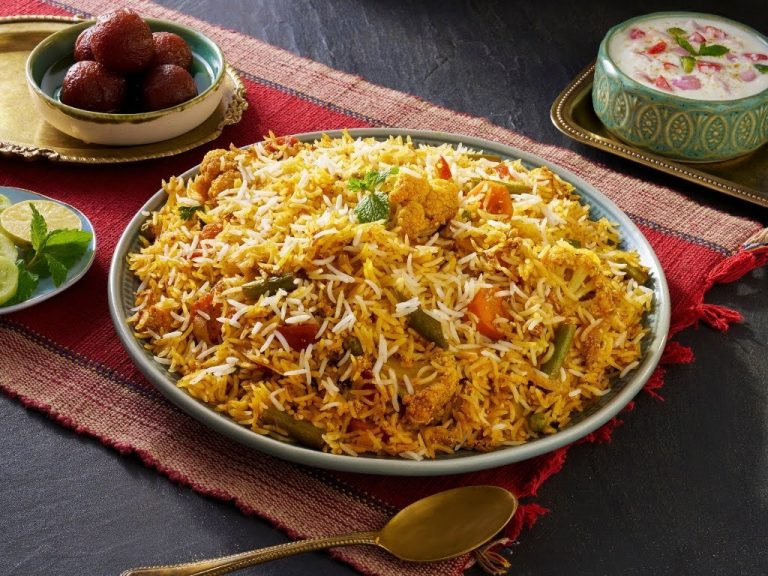
Chef’s Secret™ Extra Long Grain Basmati Rice holds its length through a layered biryani, while Authentic Brown Basmati Rice offers the same authenticity with a whole-grain profile.
Choosing With Confidence
Choosing authentic Basmati comes down to paying attention: to the length and color of the grain, its aroma, its aging, and where it was grown. Most of these checks take seconds, and together they separate the best Basmati from an ordinary bag long before it reaches the pot.
Once you know what to look for, buying good Basmati becomes second nature, and every biryani, pulao, and weeknight bowl is better for it.
Ready to put these checks to work? Compare the full Royal® Basmati Rice collection and choose the grain that ticks every box.
Frequently Asked Questions
How can you tell if Basmati rice is authentic?
Check for long, slender grains, a natural nutty aroma, uniform color with few broken grains, and an aging statement on the pack.
What does aged Basmati rice mean?
Aged Basmati has been rested, often 12 months or more, to lower its moisture. That aging gives firmer, fluffier grains and a stronger aroma than freshly milled rice.
Is longer-grain Basmati better quality?
Grain length is one strong marker: premium Basmati is long and slender, and elongates further when cooked. Aroma and aging matter just as much, so judge the grain rather than the descriptor on the front of the bag.
Does authentic Basmati have to come from India?
True Basmati comes from the Indian subcontinent, where climate and soil shape its character. Rice grown elsewhere and labeled “Basmati-style” is not the same as genuine Indian Basmati.
What is the difference between white and Sella Basmati?
White Basmati is milled raw and cooks soft and fluffy. Sella Basmati is parboiled before milling, so the grains stay firmer and hold their shape through big-batch cooking and long holds on the stove.
How do you check Basmati rice quality at home?
Rub a few grains to feel for firmness, smell for a natural aroma, and cook a small batch to see if the grains elongate and stay separate. Broken or chalky grains signal lower quality.