Best Rice for Biryani: How to Choose the Right Grain
Discover the best rice for biryani: why aged Basmati matters, how to pair grains with regional recipes, and tips for perfect preparation.
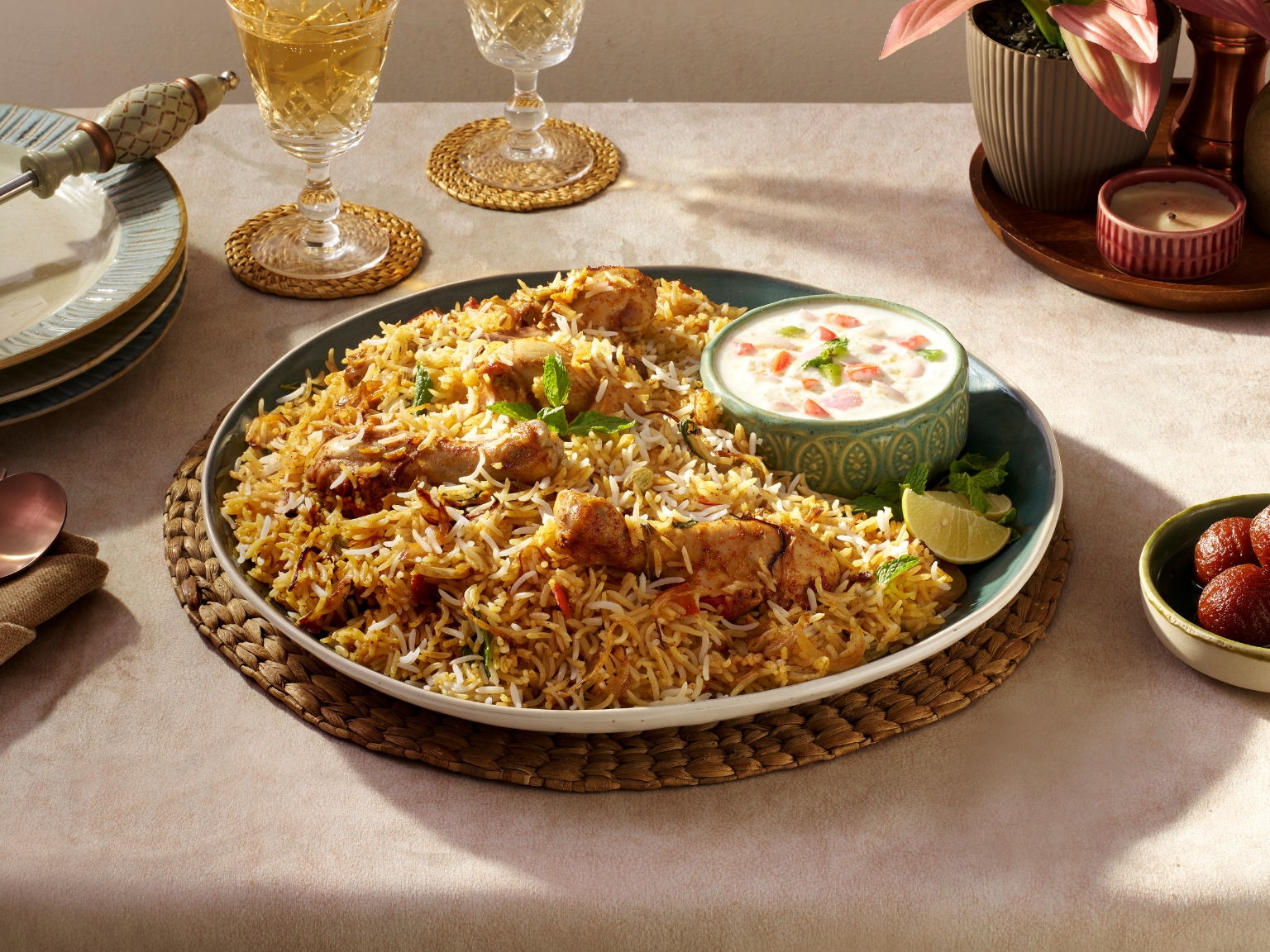
That first wave of fragrance when you lift the lid off a pot of biryani, saffron threading through cardamom, meat juices caught between grains that glisten without clinging to each other. That moment is not just about the spices or the slow dum cooking. It starts with the rice you chose before the flame was ever lit.
The best rice for biryani is not a single product sitting on one shelf. It is a set of qualities: grain length, aging, aroma, and the ability to hold up under heat and layered flavors without turning soft or sticky. Whether you are preparing rice for chicken biryani on a weeknight or spending a slow Sunday on a pot of lamb biryani, the grain you start with determines how every other ingredient performs.
Why Aged Basmati Rice Is the Foundation of Great Biryani
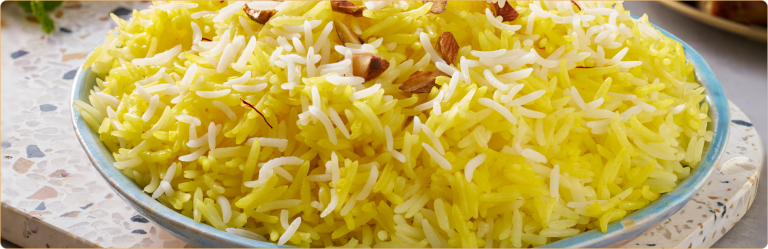
Many premium Basmati products are aged for 12 months or longer. That time matters. As Basmati rice ages in controlled silos, its moisture content drops and the starch structure tightens. The result is a long grain rice that elongates dramatically when cooked, stays firm under pressure, and absorbs spice-infused steam without collapsing.
This is exactly why premium biryani rice is almost always aged Basmati. Fresh rice, no matter how good its pedigree, carries too much moisture. It releases starch too quickly, and the grains clump into something closer to porridge than the separate, aromatic layers biryani demands.
Not every bag labeled “Basmati” delivers the same performance. When selecting biryani rice, look for:
- Grain classification: extra-long or long grain rice, never medium or short
- Aging: a minimum of 12 months, ideally longer
- Origin: sourced from India, where the soil, climate, and water produce the most aromatic Basmati
- Breakage: minimal broken grains, which cook unevenly and turn gummy
For a biryani that fills the kitchen with that warm, nutty scent before the lid even comes off, reach for Royal® Authentic Basmati Rice. It is aged for 12 months or longer to develop the loose, separate texture that biryani depends on.
Matching Biryani Rice Types to Regional Recipes
Not all biryanis are built the same, and the best rice for biryani shifts with the style you are cooking. Understanding biryani rice types helps you match grain to method.
Hyderabadi biryani is bold. Layers of heavily spiced meat sit between layers of rice, sealed with dough, and slow-cooked over low heat for up to an hour. The rice needs to survive that long cook without losing its shape. Extra-long aged Basmati rice is the only grain that holds up, staying distinct even when soaked in the juices of seared lamb or chicken. For the full experience without sourcing every spice individually, the Royal Hyderabadi Biryani Kit pairs aged Basmati with an authentic spice blend, ready to layer.
Lucknowi biryani is gentler. The rice is fully cooked in a yakhni (aromatic bone broth) before layering, then finished with kewra water and saffron-soaked milk. Here, the grain needs fragrance more than structural toughness, a naturally aromatic aged Basmati that carries the delicate perfume of the broth into every bite. The Royal Lucknowi Biryani Kit is built for exactly this style, with a spice profile that complements the subtle, slow-cooked character of the dish.
Rice for chicken biryani can afford to be slightly more delicate, since chicken cooks faster and produces lighter juices. A standard aged Basmati rice works beautifully here. Rice for lamb biryani needs more resilience. Lamb releases heavier, fattier juices during a longer cook. A premium biryani rice with extra-long grains, like Chef’s Secret™ Extra Long Basmati Rice, stands up to that richness without softening or breaking apart.
How to Prepare Biryani Rice Before It Hits the Pot
Even the best rice for biryani needs proper preparation. Skipping these steps is the single fastest way to ruin an otherwise perfect dish.
Rinse gently until the water runs clear. This removes surface starch that would otherwise glue your grains together. Soak for 30 to 45 minutes in room-temperature water, allowing the grain to hydrate evenly so it can reach its full length during cooking.
When parboiling, salt the water generously, as salty as the sea, and add a few whole spices: green cardamom, cloves, a bay leaf. A teaspoon of ghee or oil in the water keeps grains separate. Cook to about 70% doneness, still firm in the center, then drain immediately.
This is the rice that will finish cooking under dum, absorbing saffron-laced steam until each grain is tender, fragrant, and standing on its own.
If you prefer the sturdier texture of parboiled Basmati for your biryani layers, Royal Golden Sella Basmati Rice gives you grains that stay perfectly separate even after an extended dum cook.
The Right Grain Makes Everything Else Work
Biryani rewards attention to detail at every stage. But the rice is the one ingredient where no amount of technique can compensate for a poor choice. Aged Basmati rice with long, slender grains, naturally aromatic and sourced from India, is what separates a good biryani from one that people remember.
Whether you are making a quick chicken biryani for four or a slow lamb feast for a celebration, start with the grain that was made for layering. The rest follows.
Find Royal Basmati Rice at major retailers nationwide, including Walmart, Amazon, Publix, HEB, and Costco.
Frequently Asked Questions
What is the best rice for biryani?
Aged Basmati is a classic choice for many biryani styles, but the ideal rice depends on the regional recipe and cooking method. Its low moisture content, natural aroma, and ability to elongate without sticking make aged long-grain Basmati the most common pick, from Hyderabadi dum to Lucknowi pakki.
Can I use regular rice instead of Basmati for biryani?
Regular short or medium grain rice releases too much starch during cooking, resulting in a sticky, clumped texture. Basmati rice for biryani stays loose and separate, which is essential for the layered structure the dish depends on.
How long should I soak biryani rice before cooking?
Soak your biryani rice in room-temperature water for 30 to 45 minutes. This allows the grains to hydrate evenly, reach their full length during cooking, and resist breakage during the parboiling stage.
Does the type of biryani change which rice I should use?
Yes. Hyderabadi biryani needs extra-long, aged Basmati rice that can withstand a long dum cook. Lucknowi biryani favors a highly aromatic aged Basmati that carries the fragrance of its yakhni broth. The best rice for biryani always matches the cooking method.