Basmati vs. Jasmine rice: what’s the difference?
How two long-grain aromatics differ — and when to reach for each.
Basmati and jasmine are both long-grain aromatic rices, and they look alike in the bag — but they come from different places, cook differently, and shine in different dishes. Here’s how to tell them apart and when to reach for each.
Where does each one come from?
Basmati is grown in the Himalayan foothills of India and Pakistan, where it has been prized for centuries. Jasmine rice (hom mali) comes from Thailand and is the everyday grain across much of Southeast Asia. Both are aromatic, but the climate, soil, and varietals give each its own character.
Grain and texture
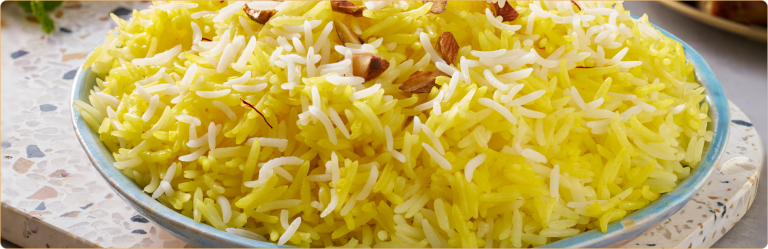
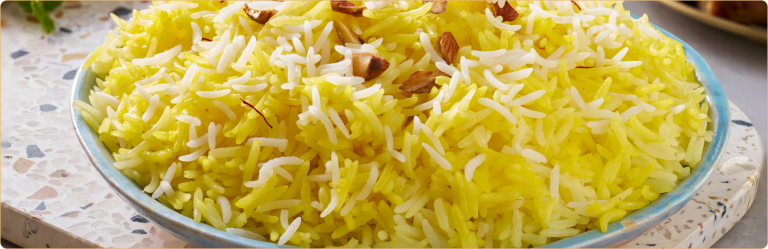
This is the biggest practical difference. Basmati grains stay long, dry, and separate; jasmine grains are a touch shorter and cook up soft and slightly clingy.
Basmati
- Long, slender grains
- Elongates further as it cooks
- Fluffy and separate
- Firmer, drier bite
Jasmine
- Shorter, slightly wider grains
- Holds its length when cooked
- Soft and slightly sticky
- Tender, clingy texture
Aroma
Both owe their scent to the same natural compound (2-acetyl-1-pyrroline), but they express it differently. Basmati leans nutty and popcorn-like, while jasmine is softer and more floral. In both cases, fresher rice smells stronger than rice that has been sitting in the pantry for a year.
How to cook each one
Rinse either rice until the water runs clear to wash off surface starch. From there the ratios and timing differ a little:
| Basmati | Jasmine | |
|---|---|---|
| Water ratio | 1 : 1.5 | 1 : 1.25 |
| Rinse | Until water runs clear | Until water runs clear |
| Soak | 20–30 min recommended | Not required |
| Cook time | ~12 min, then rest | ~12 min, then rest |
Rice actually improves with age — properly stored basmati is often aged for a year or more, which deepens its aroma and helps the grains stay firm and separate when cooked.
Which one should you use?
Reach for basmati when you want long, dry, separate grains that carry big flavours — biryani, pilaf, and anything served alongside rich curries. Choose jasmine when you want a softer, slightly sticky grain that is easy to eat with chopsticks — Thai and Southeast Asian dishes, stir-fries, and simple steamed rice. When in doubt, match the rice to the cuisine and you won’t go far wrong.